Municipal water valves are bought once and maintained never, which is why every detail in the specification — the standard, the seat design, the stem orientation, the coating — decides how the network behaves for the next thirty years. A valve that costs USD 200 less at tender time and seizes shut after six years in the ground is the most expensive line item in the project. This guide walks through the waterworks valve families that dominate Saudi and GCC municipal tenders — AWWA-pattern resilient seated gate valves and BS5163 metal-seated gate valves, with their butterfly and check companions — and turns the differences into concrete specification language.
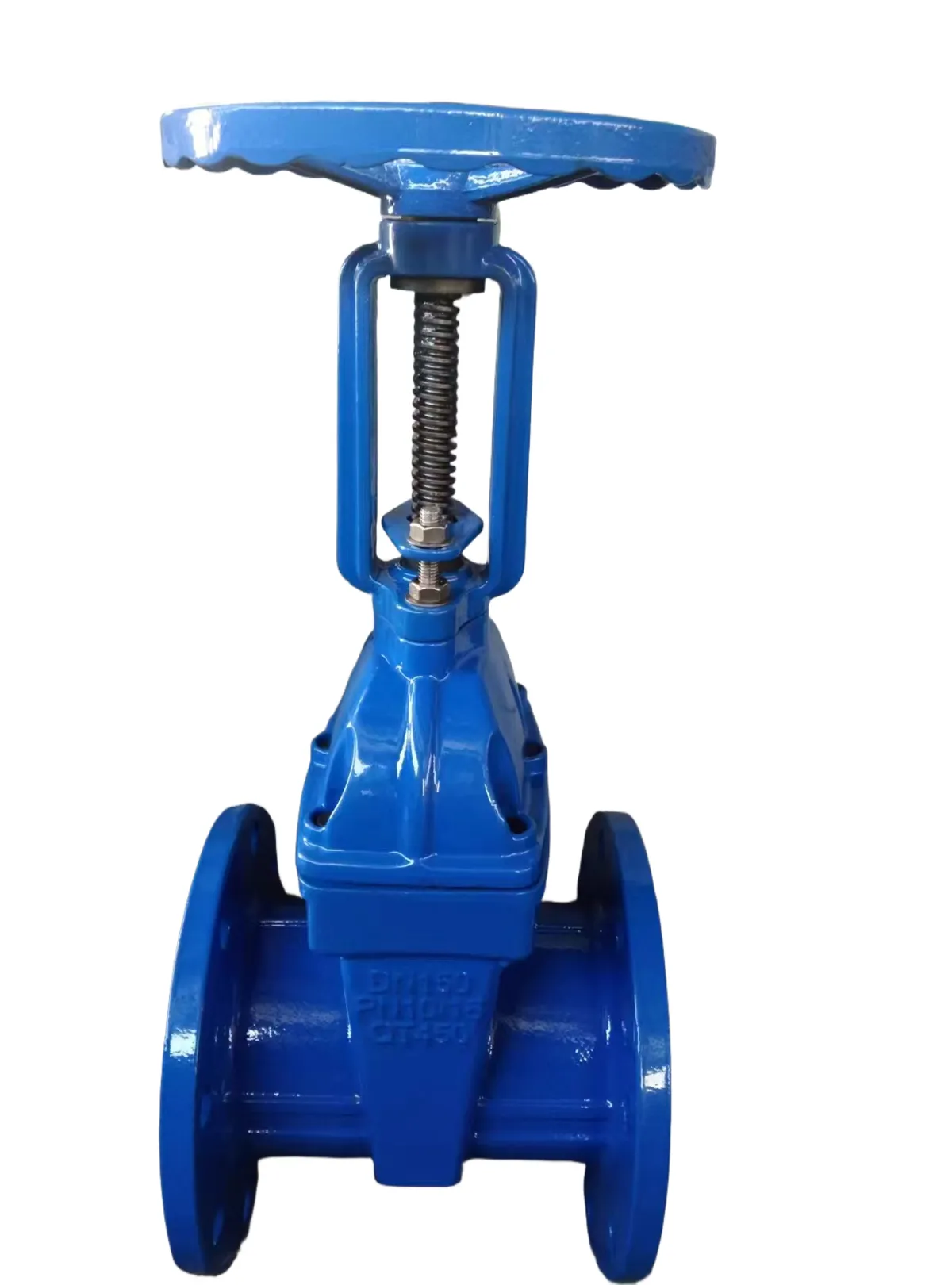
AWWA and BS5163: The Two Worlds of Waterworks Gate Valves
Saudi water projects import valve technology from two traditions simultaneously, and knowing which one your tender speaks is the first procurement decision. The American line runs through AWWA standards: C509 (older, thicker, rubber-seated gate valve, largely superseded) and C515 (the current standard for reduced-wall ductile-iron resilient seated gate valves, the dominant design in US and much GCC practice). The British/European line runs through BS5163 for metal-seated ductile-iron wedge gate valves — the traditional non-rubber-seated design, now formally superseded in Europe by EN 1074-1/-2 valve standards, but still written into many GCC specifications and supplied worldwide.
The engineering difference is the seat. A resilient seated gate valve (AWWA C515) seals a rubber-faced wedge against a smooth epoxy-coated body bore — full waterway, drip-tight sealing at both low and high differential pressures, no bronze seat rings to groove or corrode. A BS5163 metal-seated gate valve seals machined metal wedge faces against bronze or stainless seat rings — inherently not drip-tight to the same class at low pressure, but tolerant of gritty water, higher temperature, and decades of re-lapping; it is the design you still want in raw water and wastewater with abrasive content.
Neither is wrong — they are different answers to different duties. Clean treated potable transmission and distribution: resilient seated (AWWA C515 or EN 1074-2 resilient). Raw water intakes, pumping mains carrying silt, wastewater, and higher-temperature service: metal-seated (BS5163-style or EN metal wedge). A tender that specifies one design for both duties has already baked a future failure into the bill of quantities.
| Attribute | AWWA C515 resilient | BS5163 metal-seated |
|---|---|---|
| Sealing | Rubber wedge to epoxy bore | Metal wedge to bronze/SS rings |
| Drip-tight at low ΔP | Yes | Class-dependent, lower |
| Full waterway | Yes | Yes |
| Grit / abrasive water | Rubber vulnerable to cutting | Metal tolerates, re-lappable |
| Temperature | Rubber-limited (~80°C typical) | Metal-limited, higher |
| Wall / weight | Reduced-wall ductile iron | Traditional heavier walls |
| Best duty | Clean potable distribution | Raw water, wastewater, hot service |
NRS vs OS&Y: The Stem Decision That Follows the Installation
The same ductile-iron gate valve body comes with two stem arrangements, and choosing wrongly turns a simple valve into a construction problem. Non-Rising Stem (NRS): the stem threads inside the valve, the stem does not come up, and the valve opens and closes with a rotating handwheel while the wedge climbs the stem inside the body. NRS is the standard for buried service in valve boxes because nothing extends upward — a compact vertical box over the handwheel is all the surface equipment needed.
Outside Stem and Yoke (OS&Y): the stem rises through a yoke on the bonnet, and the visible position of the stem and its nut shows the valve state at a glance — open when the stem is up, closed when down. OS&Y is the standard for above-ground and plant installations — pump stations, treatment works, chambers with overhead room — because position indication matters operationally and maintenance crews can see the state without operating the valve. Our AWWA OS&Y gate valves and OS&Y pattern valves serve exactly these positions in pumping and plant scopes.
The practical selection rule: buried distribution network → NRS in a valve box; anything a person will operate standing up → OS&Y. The error we see in tenders is copying chamber drawings from another project without enough headroom for the rising stem — an OS&Y DN300 needs roughly its stem travel in clear vertical space above the centreline, and discovering this at installation is expensive concrete work. Check the stem-rise dimension in the supplier drawing before awarding.
Buried Service: Boxes, Chambers and What Corrodes First
For buried NRS valves, the valve box set is not an accessory — it is the interface between the valve and the next thirty years of street life. A proper set consists of a shaft section extending from the valve bonnet to surface, a sliding or telescoping top section adjustable for final road level, and a cast-iron frame and lid marked "WATER" (or per authority practice) rated for traffic loading where applicable. Plastic boxes are acceptable in verge and landscape areas; under carriageways, ductile or grey cast-iron frames to the loading class are the defensible choice.
The components that actually fail first in buried assemblies are never the ductile-iron bodies — they are the fasteners and the operating nuts. Specify stainless steel (typically 304 minimum, 316 in coastal or high-chloride soil) for bolts and nuts throughout, and a corrosion-protected square operating nut with a slip-over cap or sealed box top. A seized operating nut twenty years into a network life is what forces an emergency excavation of a valve that still works perfectly underneath.
Anchorage and thrust: gate valves in buried mains must be anchored against thrust where the pipe joint type does not self-restrain. Valves with mechanical-joint ends use tee-head bolts and wedges; flanged buried valves need thrust blocks or restrained joints on both sides — an unrestrained buried flange is a joint separation waiting for its first pressure test. Include the restraint method in the valve schedule, not in the site engineer's improvisation.
- Buried clean-water isolation: NRS resilient seated gate valve (AWWA C515 or EN 1074-2) in ductile-iron valve box
- Pump stations, plants, chambers: OS&Y gate valves with stem-rise clearance verified on drawings
- Raw water / wastewater lines: metal-seated BS5163-style or EN metal wedge valves
- Large transmission isolation above ~DN800: butterfly valves with gear operators
- Fasteners and operating nuts: stainless 304 minimum, 316 in coastal soil
- Buried flanges: restrained joints or thrust blocks both sides — in the schedule, not on site
The Companion Valves in a Waterworks Bill of Quantities
A municipal valve schedule is never just gate valves. Air valves at high points (double-orifice for large mains, single for smaller) purge air at filling and admit air at drainage to prevent vacuum collapse; their omission is the most common design shortcut we see cause problems later. Isolation at pump discharges pairs a butterfly or gate isolation valve with a silent check valve — the isolation valve for maintenance, the check valve for protection against reverse rotation and water hammer on trip.
Butterfly valves take over from gate valves in large diameters because economics and chamber sizes dominate: a DN1200 gate valve is a vault-sized structure, a DN1200 butterfly is a gear-operated wafer or lug body a crew can still manage. The trade-offs are known — butterflies hold a disc in the flow path permanently, so headloss and cavitation behaviour at high velocity matter, and resilient-seated butterflies need the disc edge maintained. For transmission isolation duties between DN400 and DN2400, rubber-seated butterfly valves per EN 593 or AWWA C504 are the standard companion to the gate valves in the smaller distribution sizes.
When assembling the schedule, keep families consistent per station: mixing a resilient gate, a butterfly and a check of three different flange standards at one pump manifold creates a spare-parts and training burden for the authority that outlives the contractor. Group by standard, by flange drilling, by operator type — the operators who inherit the network will maintain what was coherent when it was new.
Specification Language That Passes Consultant Review
A waterworks valve clause that survives consultant scrutiny states six things per valve type: the governing standard (AWWA C515, EN 1074-2, BS5163 as applicable), body and bonnet material (ductile iron grade), seat design (resilient or metal), stem type and material, coating system with thickness, and the test regime. Vague clauses — "gate valve suitable for water service" — invite the cheapest interpretation of every one of those six decisions, which is precisely how grey-iron, painted-not-epoxied, plated-stem valves arrive on GCC sites.
For resilient seated gate valves, the reference build that passes review is: ductile iron body and bonnet, encapsulated rubber wedge (EPDM for potable water, WRAS/NSF-grade elastomer where required), bronze or stainless stem nut, stainless or bronze stem, fusion-bonded or liquid epoxy internal coating to potable-water certification, external epoxy over zinc where buried. Each element is one line in the specification; each is a place a substitution can be hidden. Require type-test certificates against the named standard and per-valve shell and seat tests with documented results.
For Saudi deliveries, add the compliance chain to the specification: SABER/SASO product certification for the valve consignment, material certificates traceable by heat number, and the pressure-test reports in the shipping document set. The certification does not change the valve — it changes what the supplier dares to ship. A valve specified to this level arrives with the paperwork that customs, the consultant and the water authority each ask for, and the delivery inspection becomes a formality instead of a negotiation.
Receiving Inspection: Fifteen Minutes That Prevent Five Years
When valves arrive on site, a structured receiving inspection catches the substitutions that documents alone miss. Walk each valve for: casting soundness (no visible cracks, cold shuts or weld repairs on pressure parts), flange face condition (no rust already blooming on machined faces), coating continuity (no chips showing bare metal, especially at the wedge guide rails and seat pocket), stem straightness and smooth nut rotation, and nameplate data actually matching the purchase order — standard, class, size, body material, heat number. Photograph any deviation before offloading; after offloading, the burden of proof shifts.
For resilient-seated wedges, check the rubber face for moulding defects and, on larger valves, that the wedge guide surfaces are greased per the factory instruction. For OS&Y valves, verify the yoke and stem guard are intact and the stem is not polished at mid-travel from a prior test cycle — a used valve sold as new is not a myth in this trade. Keep the per-valve test reports filed against the serial or heat number; when a valve fails in year six, the first document the authority requests is that report.
Storage completes the discipline: valves stored with flanges open to dust need the seat pockets cleaned before installation — grit left in a resilient seat pocket is the classic self-inflicted leak on a brand-new valve. Store horizontal on timber, stems horizontal, end caps on, and rotate handwheels a quarter-turn monthly so the stem nut and threads do not set in one position over a long desert storage.
Frequently Asked Questions
Related Products
AWWA Resilient Gate Valve (NRS)
AWWA C509 / C515 · DN40 – DN600
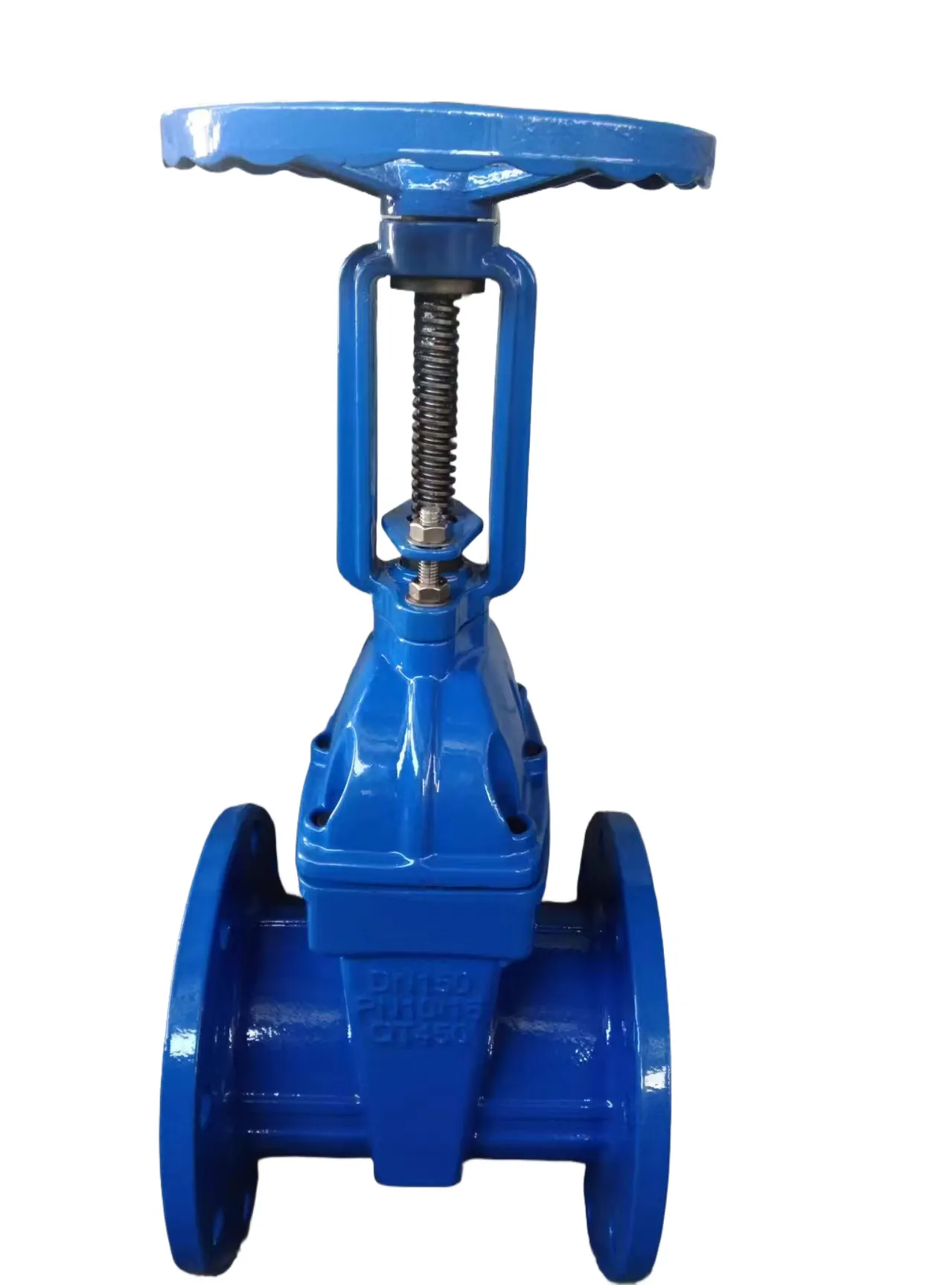
AWWA Resilient Gate Valve (OS&Y)
AWWA C509 / C515 · DN40 – DN600
BS5163 Metal-Seated Gate Valve (NRS)
BS5163 · PN16
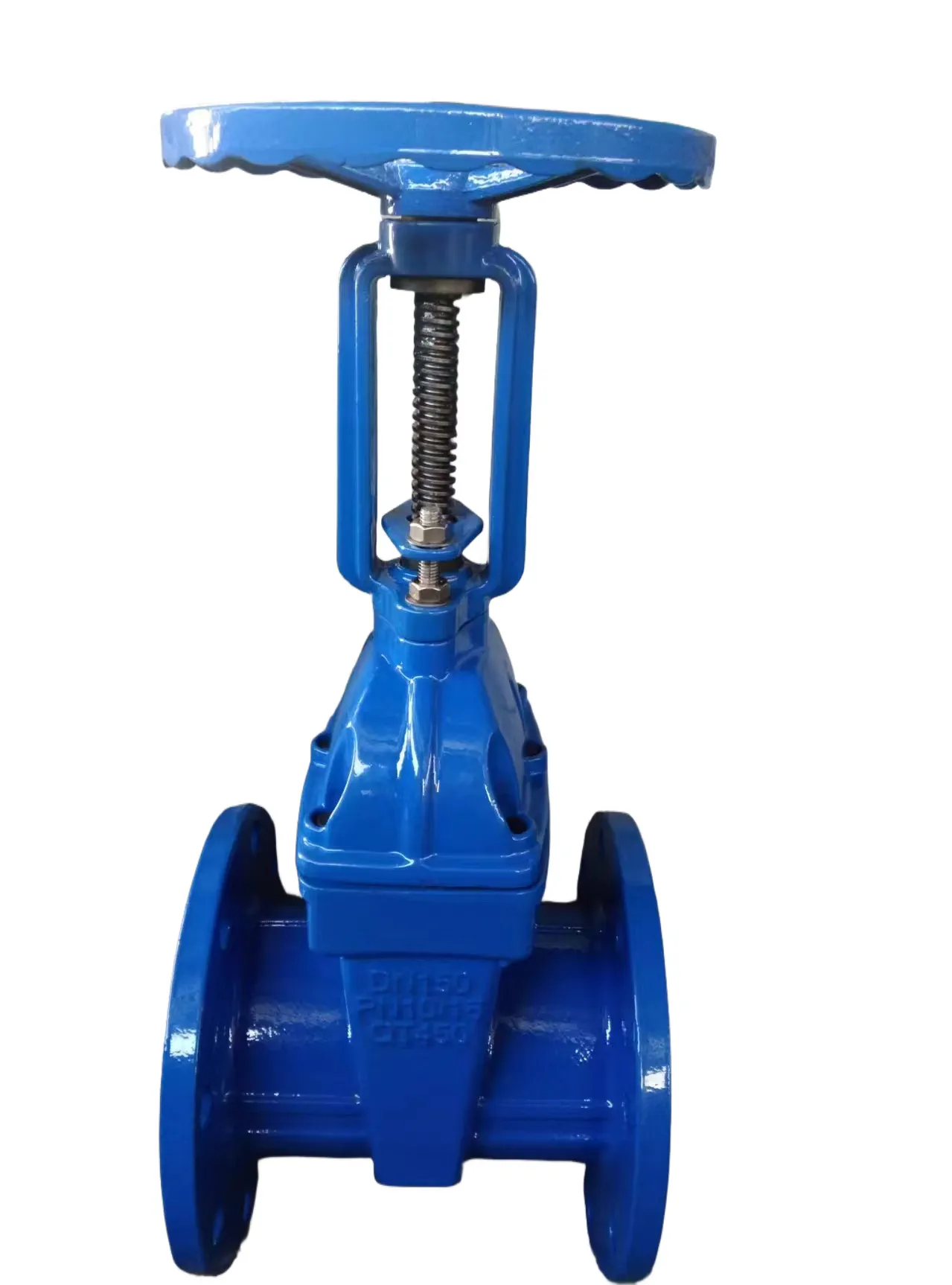
OS&Y Resilient Seated Gate Valve
OS&Y · DN40 – DN600 · GB / BS5163 / DIN F4 / AWWA
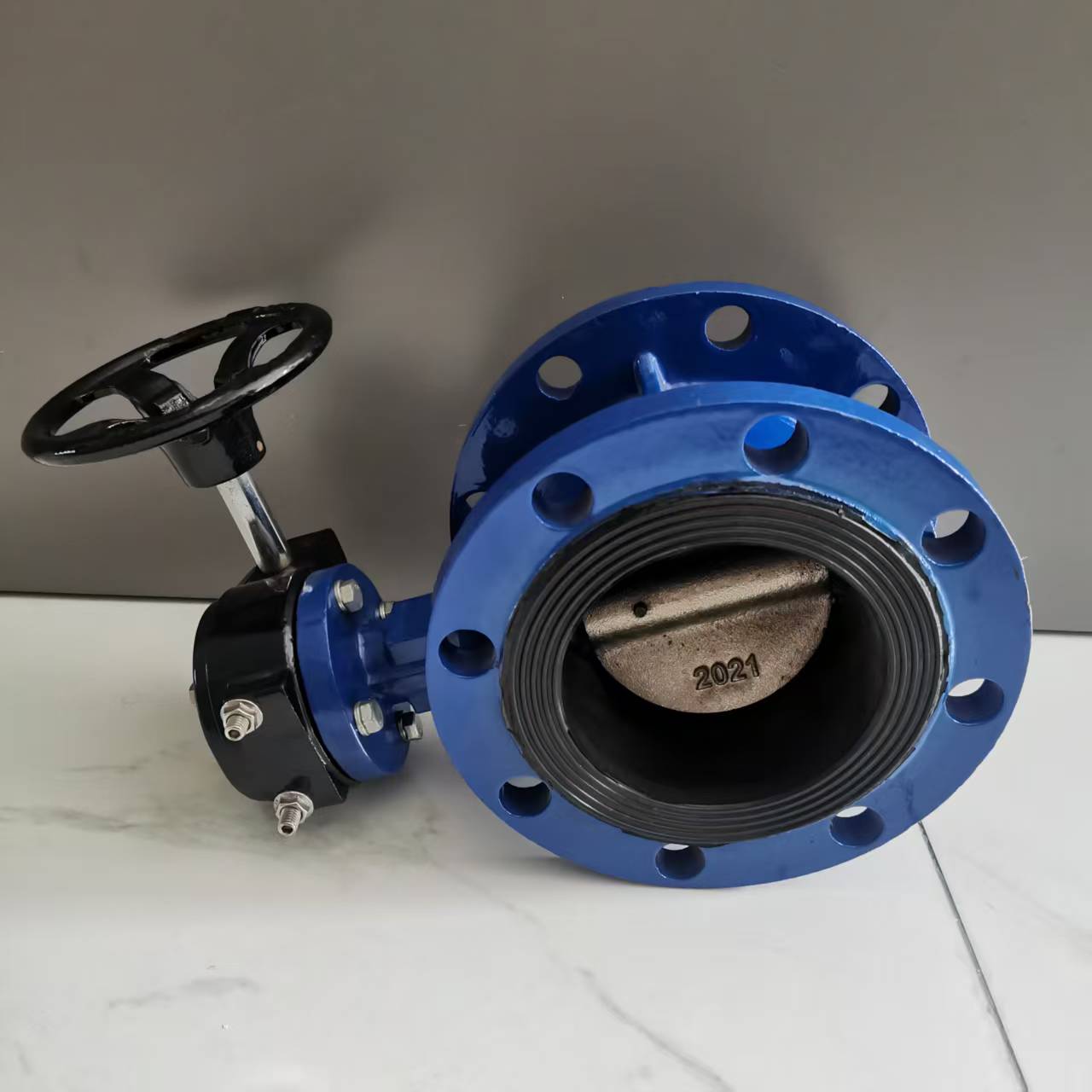
Flanged Butterfly Valve with Worm Gear (D341X)
D341X · DN100 (4") · Flanged, worm-gear operated
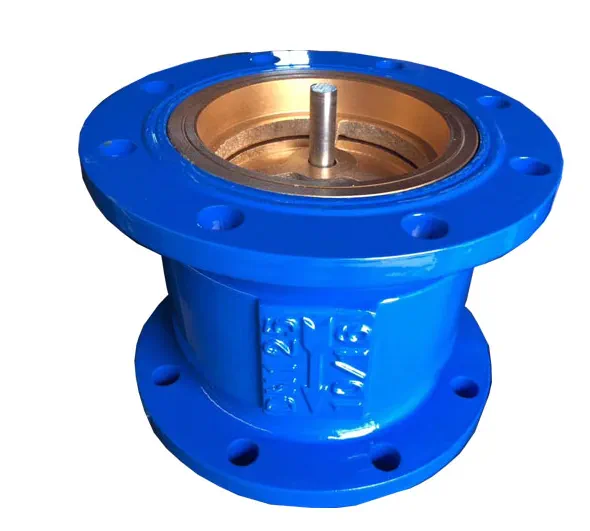
Silent Check Valve (HC41X)
HC41X · DN50 – DN400