Ask three suppliers for a "DN300 gate valve" and you may receive three different metals: grey cast iron, ductile iron or cast steel, at price points that differ by a factor of two. The material choice is not cosmetic — it sets the pressure the valve survives, the way it fails, how it corrodes in Saudi groundwater and soil, and whether it matches the standard your tender is written against. This guide explains what actually differs between the iron and steel families used in valve bodies, how the EN and ASTM grade systems map onto each other, and how to decide correctly for waterworks, irrigation and industrial service instead of defaulting to whatever the cheapest quotation contains.
The Three Families You Are Actually Choosing Between
Grey cast iron (grey iron, EN-GJL / ASTM A48) is iron with its carbon precipitated as sharp graphite flakes. The flakes make it cheap to cast, dimensionally stable and vibration-damping, but they act as internal stress raisers: grey iron is strong in compression, weak in tension, and fails suddenly without warning. Its tensile strength sits in the 150–300 MPa range, which caps it at low and medium pressure classes — historically PN10/PN16 waterworks service and today mostly small-diameter or non-critical applications.
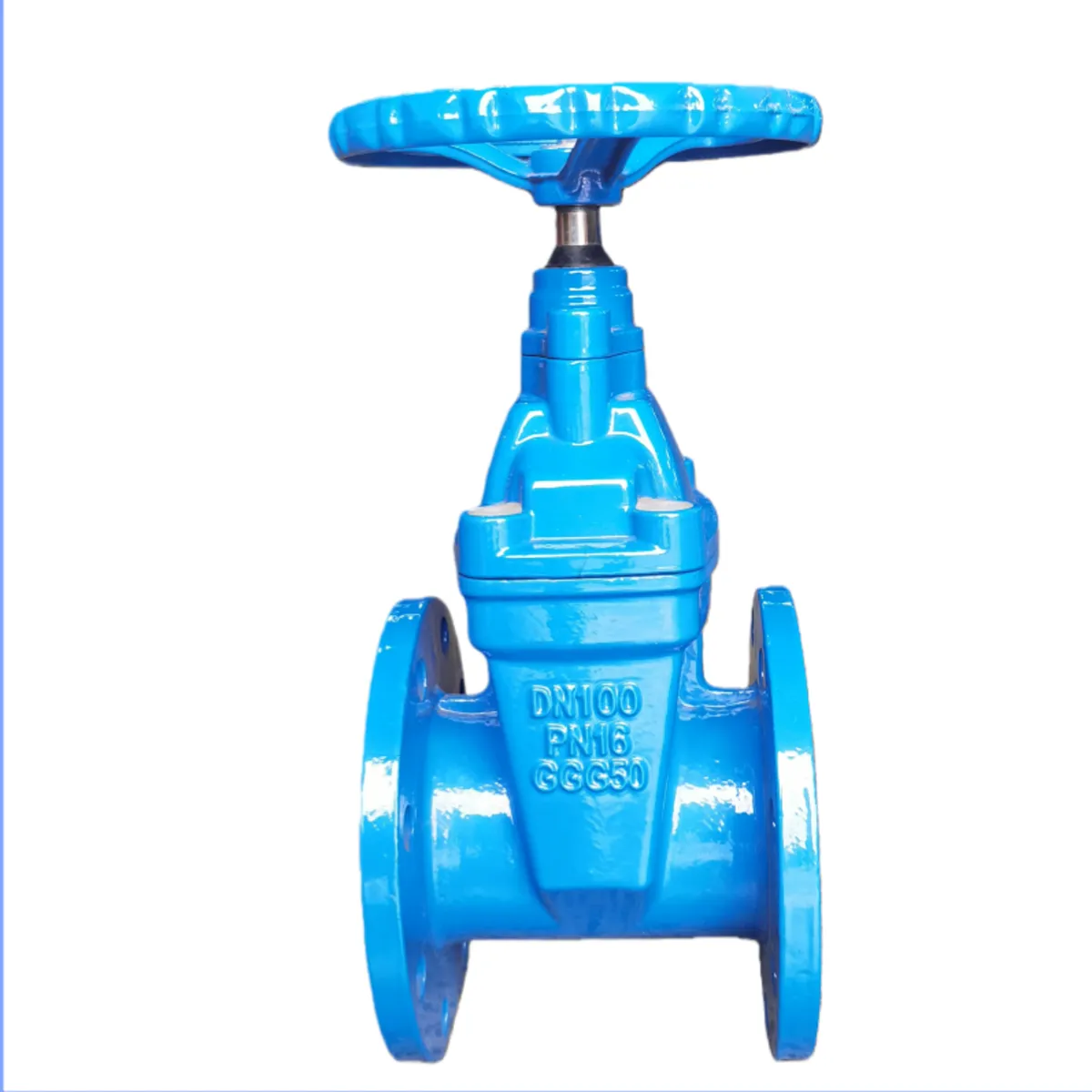
Ductile iron (spheroidal graphite iron, SG iron, EN-GJS / ASTM A536) is the same base iron treated with magnesium so the graphite forms as tiny spheres instead of flakes. The spherical shape stops the graphite from concentrating stress, and the result is a metal with 400–600 MPa tensile strength, real elongation (10–18%) and genuine toughness — a ductile iron valve deforms and leaks before it shatters. For this reason, essentially every modern resilient seated gate valve and waterworks butterfly valve body is ductile iron, and most international water standards mandate it.
Cast steel (typically ASTM A216 WCB / WCC, or low-alloy steels for higher temperature) is a forged-equivalent steel poured into a mould. It has 485+ MPa tensile strength with good toughness at both high and sub-zero temperatures, and it is the standard body for ASME class 150–600 industrial valves in steam, oil, gas and process service. It is also the most expensive of the three per kilogram, and it rusts in a way iron does not — bare steel needs coatings or it corrodes visibly in coastal air within weeks.
| Property | Grey iron (GJL/A48) | Ductile iron (GJS/A536) | Cast steel (WCB) |
|---|---|---|---|
| Tensile strength | 150–300 MPa | 400–600 MPa | 485+ MPa |
| Elongation | ≈0 (brittle) | 10–18% | 22%+ |
| Failure mode | Sudden fracture | Deformation, leaks first | Deformation, leaks first |
| Typical pressure | PN10–16 | PN10–40 | Class 150–600 |
| Corrosion resistance | Best of the three (graphite graphitizes) | Good, improves with zinc + epoxy | Needs coating, rusts visibly |
| Relative cost | 1.0x | 1.1–1.3x | 1.6–2.2x |
| Natural habitat | Old waterworks, small low-pressure | Modern water, wastewater, irrigation | Steam, oil & gas, process |
Why Ductile Iron Replaced Grey Iron in Waterworks
The transition was driven by failure behaviour, not fashion. A buried grey-iron water main or valve that is overloaded by settlement, traffic surcharge or a water-hammer event breaks like ceramic — a full-bore fracture and a street flood. The same load on ductile iron yields and bows; a ductile-iron resilient seated gate valve under an unexpected surge deforms slightly at the bonnet and weeps, which is a maintenance ticket, not an emergency. Utilities that audited grey-iron failures standardised on ductile iron decades ago, and modern tender specifications in the GCC simply write EN-GJS-500-7 or A536 65-45-12 into the body material clause.
The second reason is pressure rating headroom. Ductile iron bodies comfortably carry PN16 and PN25/PN40 water service across the full size range, and higher grades (GJS-600, 100-70-03) extend this further. Grey iron is realistically confined to PN16 and below in larger diameters, with wall sections so heavy that the weight advantage of iron over steel disappears.
A caveat worth knowing when auditing old stock: grey iron survives in the market because it is cheap and still passes a factory pressure test. A grey-iron valve passes the shell test today and becomes a brittle fracture risk in year eight when a surge or ground movement arrives. This is precisely why experienced procurement teams refuse unmarked iron valves and require grade certificates with each heat.
EN, ASTM and the Grade Names You Will See on Certificates
Ductile iron grades look confusing because two systems coexist. The European system (EN 1561/1563) encodes properties: EN-GJS-500-7 means 500 MPa tensile and 7% minimum elongation. The American system (ASTM A536) encodes three numbers: 65-45-12 means 65 ksi (≈448 MPa) tensile, 45 ksi (≈310 MPa) yield, 12% elongation. The everyday equivalents: GJS-450-10 ≈ 65-45-12, the general waterworks grade for gate valve bodies; GJS-500-7 ≈ 80-55-06, the workhorse for higher-duty castings; GJS-600-3 for heavily loaded components.
For cast steel, ASTM A216 WCB is the ambient-temperature carbon-steel body grade; WCC is the slightly higher-strength variant for class 300+; at low temperature (-29°C and below, relevant to LNG-adjacent service) you move to LCB/LCC low-temperature carbon steel, and at high temperature to WC6/WC9 chrome-moly grades. If a quotation for a class-150 steel valve lists no body grade at all, treat that as a defect in the offer — WCB at minimum must appear.
Practical tip for GCC procurement: tenders often mix European and American language because the water sector imports against EN/DIN while oil & gas imports against ASTM/ASME. A supplier quoting "ductile iron per EN-GJS-500-7" and another quoting "A536 65-45-12" are offering materially equivalent valves. Insist on the certificate that shows the numbers — tensile, yield, elongation, and the heat number traceable to the casting — and the naming dispute stops mattering.
- GJS-450-10 / A536 65-45-12 — general waterworks bodies, bonnets
- GJS-500-7 / A536 80-55-06 — higher-duty water and industrial castings
- GJS-600-3 / A536 100-70-03 — heavily loaded components, some stems/gears
- A216 WCB — ambient carbon-steel bodies, class 150–300
- A216 WCC / A352 LCC — higher class or sub-zero service
- Stainless CF8M (316) — trim, small valves, aggressive water chemistry
Corrosion: Why Iron Beats Bare Steel, and What Coatings Do
Iron behaves differently from steel in corrosion. Grey and ductile iron are graphitic: as the iron corrodes, the graphite network remains as a soft layer that slows further attack, which is why 50-year-old buried iron pipes survive at all. Cast steel has no such buffering — bare WCB in wet clay or salt-laden coastal air corrodes fast and visibly. This is why steel valves live in painted, indoor or process environments, while buried and immersed water service belongs to ductile iron with engineered coatings.
The standard modern package for buried ductile-iron valves is zinc coating plus a finishing layer, or fusion-bonded epoxy (FBE) internally, plus epoxy paint externally. Internal epoxy (drinking-water certified, e.g. WRAS/NSF-grade where potable) protects the waterway and keeps the full-bore flow characteristic of a metal-seated gate valve intact by preventing tuberculation — the rust nodules that otherwise roughen iron surfaces, raise headloss and harbour bacteria over a buried valve's 30-year life.
One procurement trap: "epoxy coated" in a cheap quotation sometimes means a thin shop paint layer, not FBE. Ask for the coating type and thickness in microns, and for potable applications the certification of the coating material. The coating clause in a water tender is one of the most commonly downgraded invisible items, and it is what separates a valve that looks new at inspection from one that arrives already blooming rust at the weld-repair marks.
Choosing Correctly: A Decision Path
Start with the service, then pressure, then environment. Clean or dirty water, PN25 and below, buried or in a chamber: ductile iron, grade GJS-450-10 or 500-7, with zinc/FBE coatings — the AWWA-pattern gate valves we supply for municipal projects follow exactly this build. Steam, hydrocarbons, class 150 and above, or any process loop: cast steel WCB/WCC with the appropriate trim. Small valves, aggressive chemistry (desalination-adjacent, high chloride), or hygienic service: stainless CF8M or higher alloys.
Pressure class transitions matter. Between PN16 and PN40, ductile iron and low-class steel compete: iron usually wins on cost and corrosion behaviour for water; steel wins if temperature cycles or the piping standard is ASME. Above class 300, iron exits and steel is the only conversation. Below PN10 in small diameters, grey iron reappears as an economy option — acceptable for drainage and non-critical isolation if the buyer consciously chooses it, which is the actual point of this guide: choose the material deliberately, on the record.
For trim (stem, seat rings, wedges in metal-seated valves), the material logic is independent of the body: stainless stems (420/410 or 316 in chloride-rich water), bronze or elastomer seats for water, hardfaced or chrome stainless for metal-to-metal service. A ductile-iron body with a plated carbon-steel stem is a false economy — the stem is the component that seizes first when corrosion begins, and seizing is how a perfectly good valve becomes a line shutdown.
Verifying What You Bought
Material certificates are the only documentation that ties a delivered valve to its grade: a heat number, chemical analysis and mechanical test results per EN or ASTM. Ask for mill certificates per heat, not per shipment batch generically, and check that the heat numbers on certificates match the cast-on markings on the valve bodies. Foundries stamp the heat number on every casting; unmarked bodies are the single strongest predictor of certificate forgery.
Two quick field checks that catch most substitutions: weight per size (grey-iron and ductile-iron castings for the same pattern have distinct weights, and suppliers swapping grey for ductile rarely re-pattern), and a hardness spot check (ductile iron typically HB 160–250, grey iron HB 170–290 with a different acoustic ring when tapped — the classic foundry trick that still works). For anything going into a pressurised public network, per-valve shell and seat tests to ISO 5208 witnessed or reported remain the baseline you should not waive.
When you buy from us, each valve ships with its heat-traceable material certificate and pressure test report in the document set — because in GCC procurement, the certificate is as much a part of the product as the casting itself, and customs and consultants alike will ask for it.
Frequently Asked Questions
Related Products
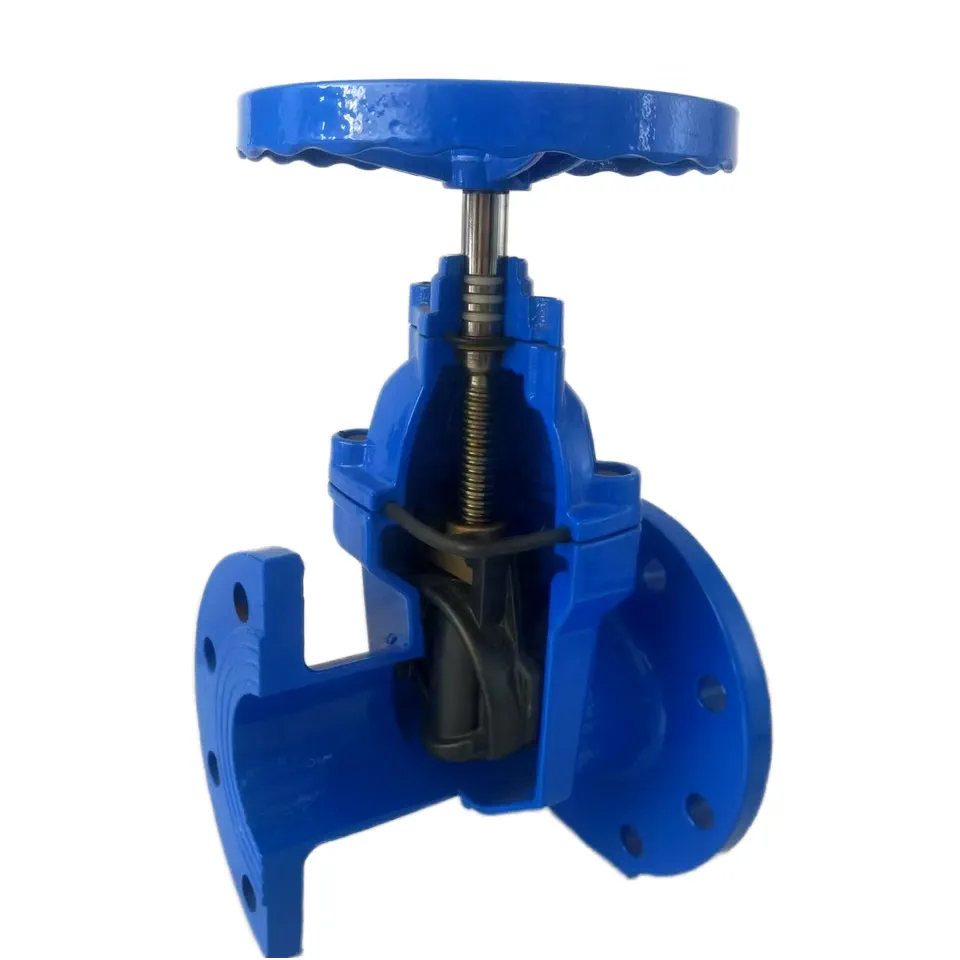
Resilient Seated Gate Valve (NRS)
S4 / S5 · DN40 – DN600 · BS5163 / EN 1074-2
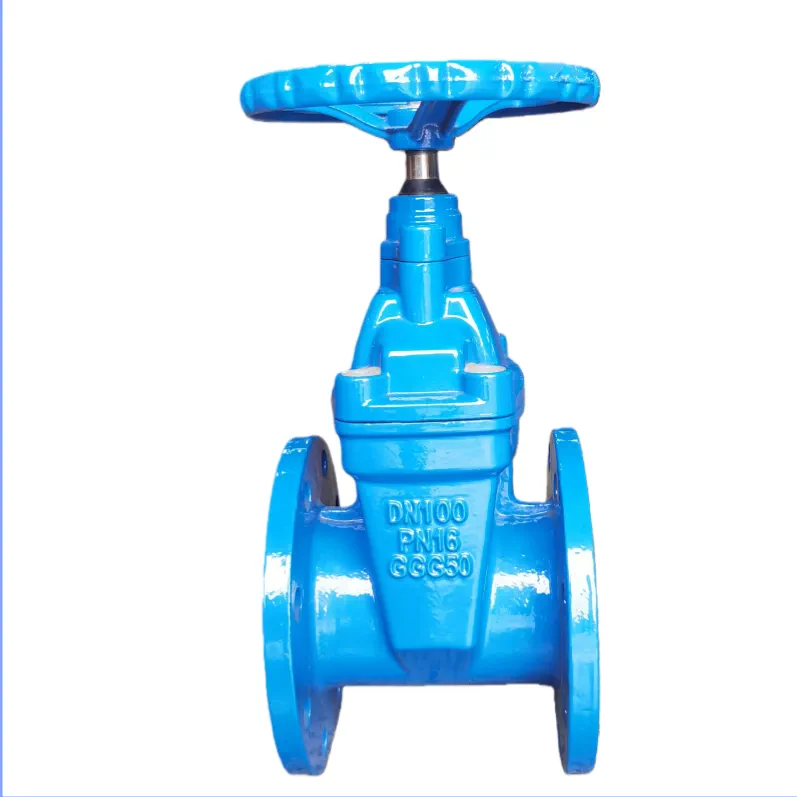
DIN F4 Resilient Gate Valve (NRS)
DIN 3352 F4 · DN50 – DN600 · PN10/16
DIN F4 Metal-Seated Gate Valve (NRS)
DIN 3352 F4 · DN50 – DN300
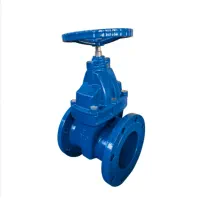
AWWA Resilient Gate Valve (NRS)
AWWA C509 / C515 · DN40 – DN600
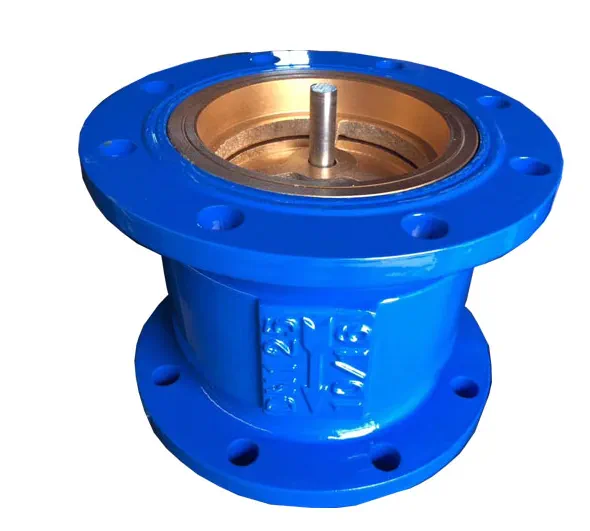
Silent Check Valve (HC41X)
HC41X · DN50 – DN400
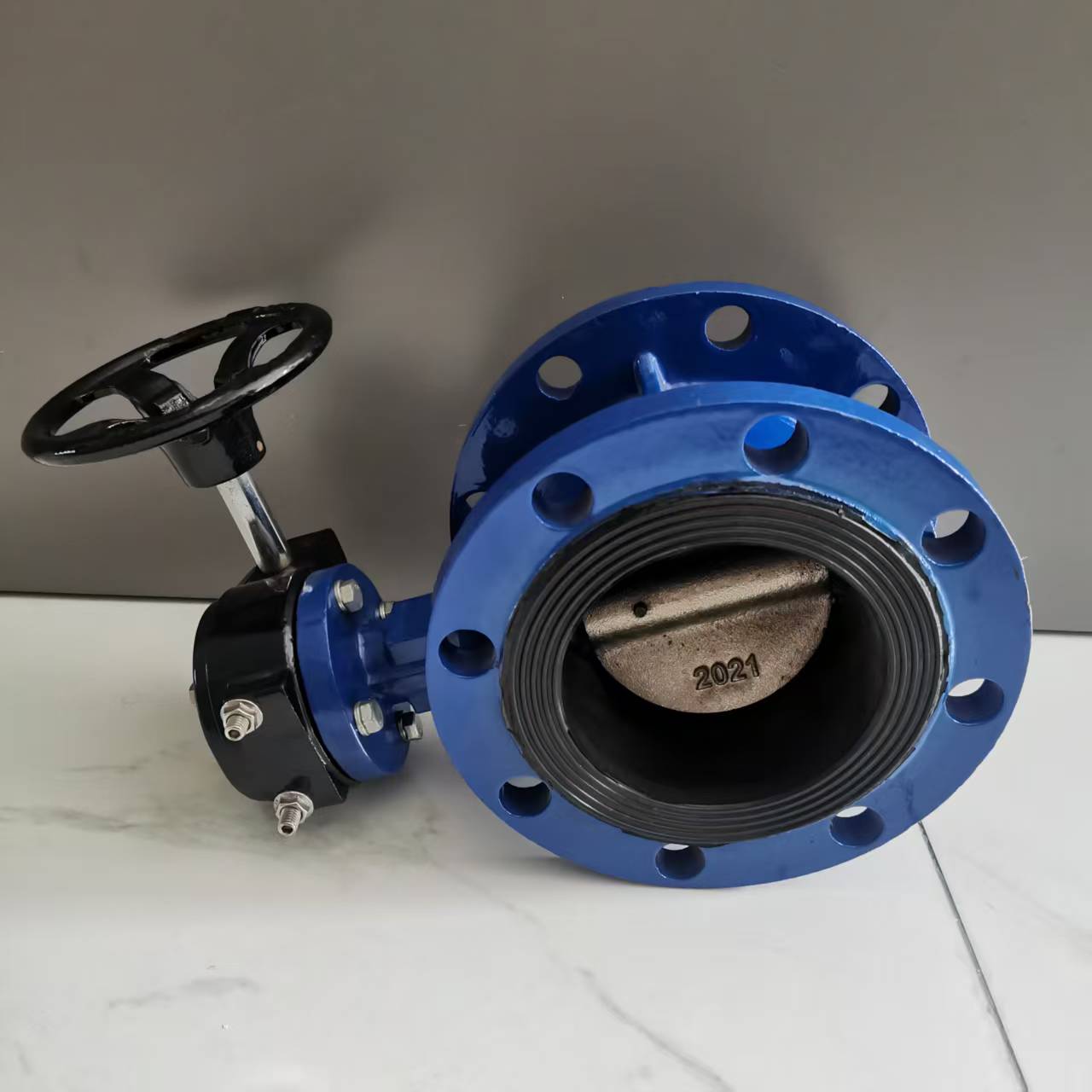
Flanged Butterfly Valve with Worm Gear (D341X)
D341X · DN100 (4") · Flanged, worm-gear operated