Every commercial import into Saudi Arabia now passes through the SABER platform — the Saudi Standards, Metrology and Quality Organization (SASO) conformity system that replaced the old paper certificate of conformity at the border. Whether you are importing valves for a water project or crusher wear parts for a quarry, an incomplete SABER file is the single most common reason containers sit at Jeddah or Dammam accruing demurrage. This guide explains how the system actually works: which certificate your product needs, who issues it, what it costs, and where importers get it wrong.
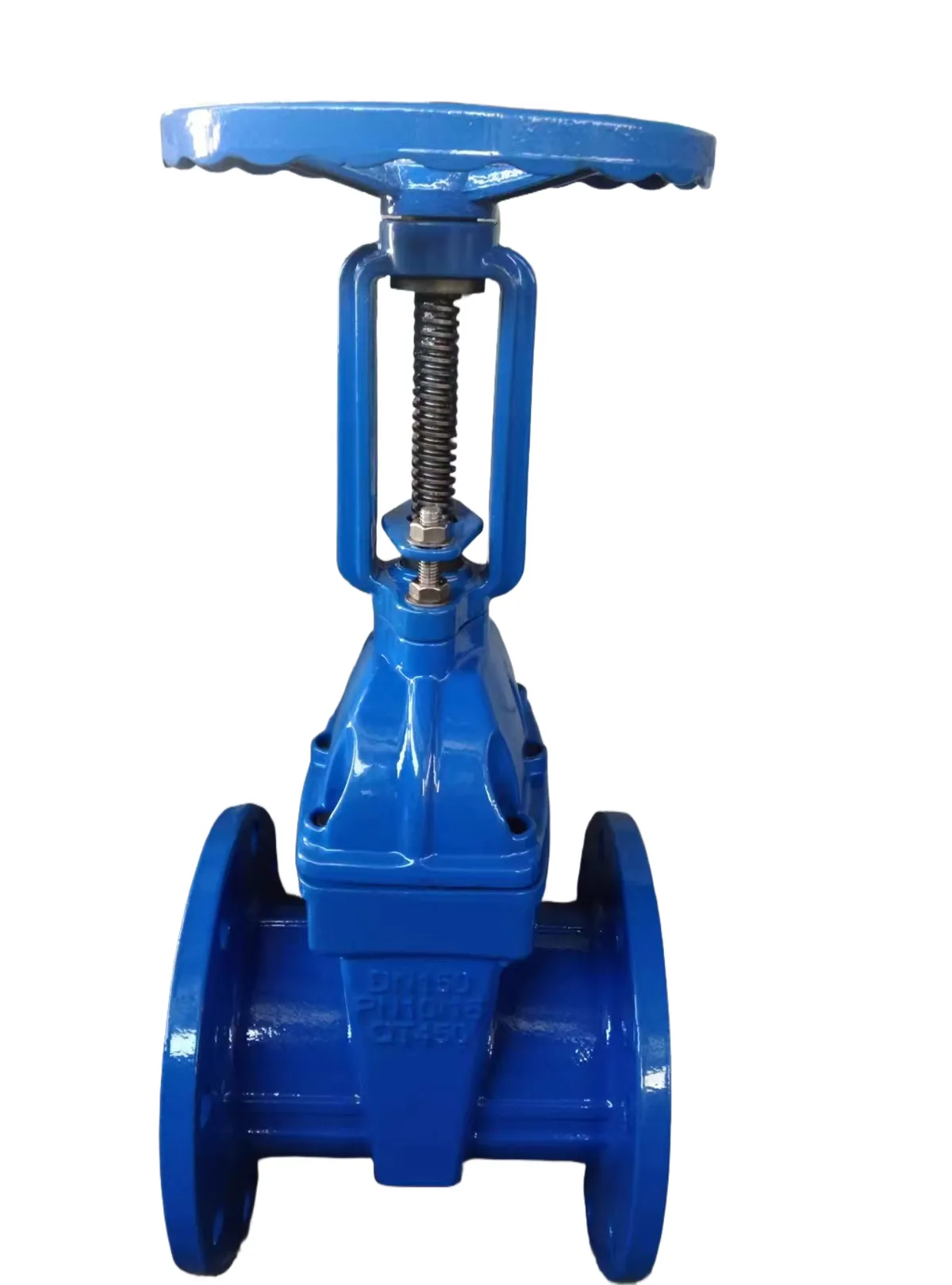
What SABER Is and Who Needs It
SABER is the online platform through which Saudi Arabia enforces product conformity. It connects importers, certification bodies, customs (FASAH) and SASO in one workflow: the importer registers the product, a Saudi-accredited certification body issues the certificates, and customs checks the certificate chain against the shipment documents before release. Since the old consignment-based paper CoC was phased out, the practical rule is simple — if your product falls under a SASO technical regulation, it cannot clear customs without SABER certificates.
The scope is broad and keeps expanding. Products covered by technical regulations include most of what an industrial importer ships: water valves and fittings, electrical equipment, machinery, building materials, steel products, and consumer goods. Some categories route through SABER but require extra schemes — electrical products may need IECEE recognition, and mobile devices need CITC type approval. Valves for potable water, industrial valves, castings and wear parts typically fall under the general technical-regulation route, which is the process this guide focuses on.
One point that surprises first-time importers: the SABER account belongs to the Saudi importer of record, not the Chinese factory. The supplier prepares the technical file and passes testing, but the certificates are requested and held by the Saudi entity clearing the goods. Choose a supplier that has run the process before, but expect to do the platform work on your side or through your clearing agent.
PCoC and SCoC: The Two-Certificate Chain
SABER issues two different certificates, and confusing them is the most common beginner mistake. The Product Certificate of Conformity (PCoC) covers the product itself: it is issued per product family, based on type testing and (for most routes) a factory audit, and it stays valid for one year. The Shipment Certificate of Conformity (SCoC) covers one physical consignment: it is raised against a valid PCoC, references your commercial invoice, packing list and container numbers, and is valid for a single shipment only.
The division of labour matters commercially. A factory that already holds a PCoC for, say, resilient seated gate valves and flanged butterfly valves can support an SCoC for your container within days of the invoice being final. A factory with no PCoC must first pass type testing and a factory audit — typically four to eight weeks — before anything can be certified. When you evaluate suppliers, "we have SABER PCoC" is worth weeks of delivery time and real money.
A detail that catches even experienced importers: the SCoC is keyed to invoice value and HS code. If you renegotiate the price after the SCoC is raised, or the clearing agent files a different HS code, the mismatch must be corrected and the certificate re-issued — usually within a day or two, but at the worst possible moment, while the container is at the port.
| Certificate | Covers | Based on | Validity | Cost driver |
|---|---|---|---|---|
| PCoC (Product CoC) | A product family / model range | Type testing + factory audit by a notified body | 1 year, renewable | Product variety, test scope |
| SCoC (Shipment CoC) | One consignment | Valid PCoC + invoice, packing list, container numbers | Single shipment | Invoice value (per-shipment fee) |
| IECEE recognition | Electrical products | CB-scheme test reports | 1 year | Testing only |
Which Route Your Product Takes
The route depends on which technical regulation covers the product, and that decision is made by HS code and product description — not by what the supplier prefers. For most industrial hardware, the applicable route is based on self-declaration supported by test reports, or on third-party certification, depending on risk class. Low-risk construction products may qualify for a supplier-declaration route with the importer uploading test evidence; higher-risk products require a notified body to issue the PCoC after reviewing the technical file.
For valve and wear-part imports the practical mapping is: ductile-iron gate valves, silent check valves and strainers for water service fall under the water-sector regulations with material and pressure-test evidence in the technical file; manganese jaw plates and forged grinding balls are heavy industrial articles where the file centres on material certificates, chemistry and hardness reports. Your certification body confirms the exact route at registration — always run this check before the goods are produced, not after.
If a product is genuinely outside any technical regulation, no PCoC is needed and clearance runs on invoices and packing lists alone. But "the supplier said no certificate is needed" is not a determination — get it confirmed in writing on the SABER platform or by your certification body, because the penalty at customs for a wrong call is a full re-export or destruction decision, not a fine.
Choosing the Certification Body
PCoC and SCoC are issued by certification bodies accredited by SASO — the international names (SGS, Bureau Veritas, TÜV, Intertek) all operate on the platform, alongside regional bodies that are often cheaper and faster for straightforward industrial products. The body you choose handles the technical-file review, the factory audit where required, and the per-shipment SCoC issuance.
Price differences between bodies are real but modest — typically a few hundred dollars per PCoC and a per-shipment fee that scales with invoice value. What differs more is responsiveness: ask for the turnaround on technical-file review and on SCoC issuance in writing, and ask which of your supplier's factories the body has already audited. A body that has audited the factory within the last year can often reuse the audit report and shorten the first PCoC cycle by weeks.
- Confirm the body is SASO-accredited for your product category on the SABER platform
- Get written turnaround commitments for file review, audit and SCoC issuance
- Ask whether an existing audit report for the factory can be reused
- Compare total first-year cost: PCoC fee + audit + per-shipment SCoC, not headline prices
- Check the body can work in the language your supplier's engineers actually speak
Realistic Costs and Timelines
For a single product family of industrial hardware, budget roughly USD 700–1,500 for the first PCoC including type testing and the audit component, plus a per-shipment SCoC fee in the region of USD 100–300 scaled to invoice value. Renewal after a year is cheaper when nothing in the product or factory has changed. Against the value of a container — often USD 15,000–50,000 for valves or wear parts — certification is a rounding error; it only becomes expensive when it delays a container, because port storage after free time runs at USD 80–150 per day.
Timelines: a PCoC with an audit and no testing problems runs 3–5 weeks from a complete technical file. Add 2–4 weeks if samples must travel and be tested from scratch. An SCoC on an existing PCoC takes 1–3 working days once the final invoice and container numbers are known. The full first-time sequence for a new supplier is therefore 5–9 weeks — which is why the PCoC should be started the day the order is confirmed, in parallel with production, not after the goods are ready.
| Item | Typical cost | Typical time |
|---|---|---|
| PCoC (new, with audit & testing) | USD 700–1,500 per product family | 3–5 weeks from complete file |
| PCoC renewal (unchanged product) | Lower, often without re-audit | 1–2 weeks |
| SCoC per shipment | USD 100–300, scales with invoice value | 1–3 working days |
| Technical file preparation (supplier side) | Included / nominal | 1–2 weeks, often the real bottleneck |
The Mistakes That Delay Clearance
Most SABER failures are administrative, not technical. The classic sequence: production finishes, the invoice is drafted, the SCoC is raised — and then the buyer renegotiates price or the container count changes, and the certificate no longer matches the documents. Freeze the invoice value, HS code and container numbers before the SCoC is raised, and brief your clearing agent with the exact same figures.
The second failure mode is the technical file itself. Test reports that reference a different model designation than the catalogue, pressure-test reports without serial linkage, material certificates older than the certificate allows — the notified body will bounce the file, and each bounce costs a week. When selecting a supplier, ask for the exact document package they used for a previous SABER approval; a factory that has done it once can assemble yours in days.
Finally, watch the PCoC validity against your shipping schedule. A PCoC expiring between production completion and SCoC issuance means a renewal cycle in the critical path. Check the expiry date when you place the order, and if it lands anywhere near your shipment window, start the renewal immediately.
Frequently Asked Questions
Related Products
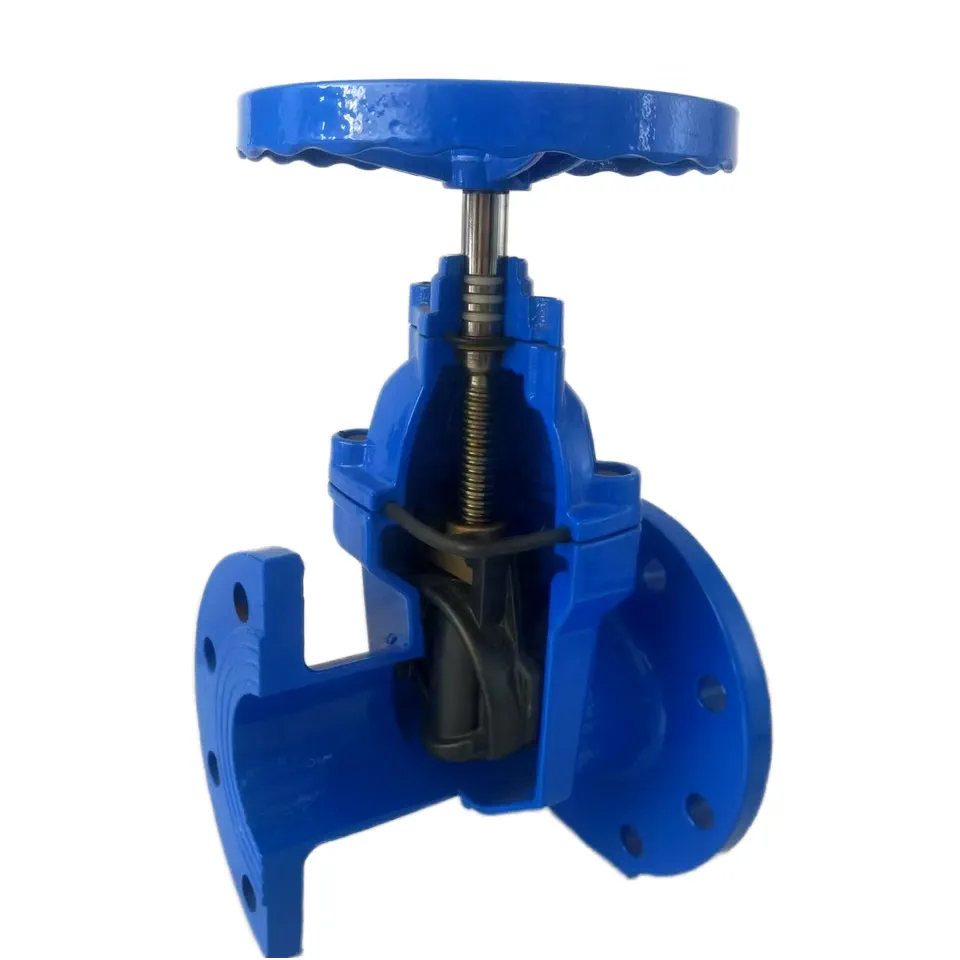
Resilient Seated Gate Valve (NRS)
S4 / S5 · DN40 – DN600 · BS5163 / EN 1074-2
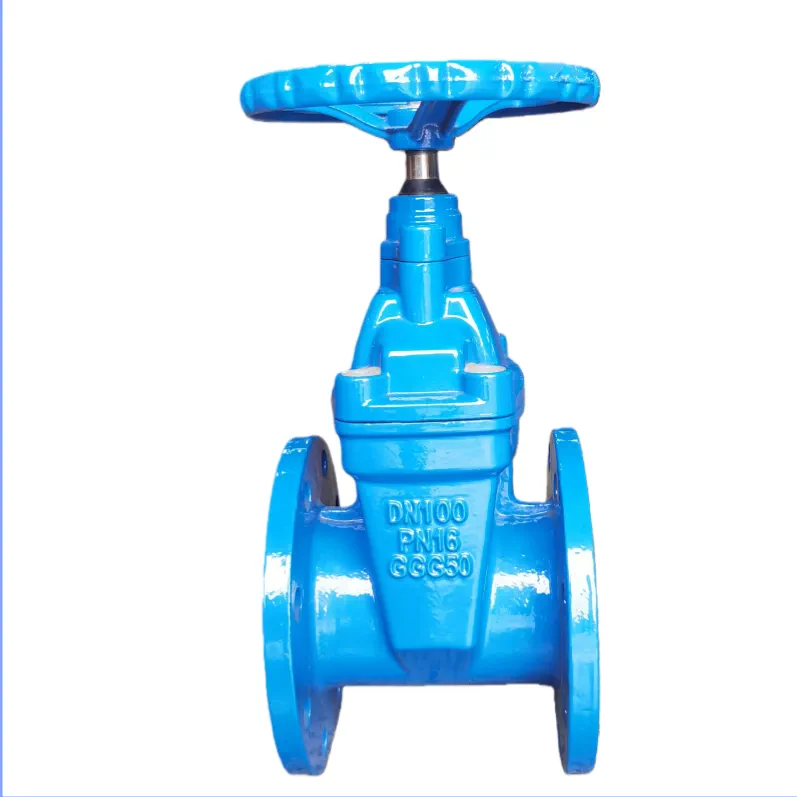
DIN F4 Resilient Gate Valve (NRS)
DIN 3352 F4 · DN50 – DN600 · PN10/16
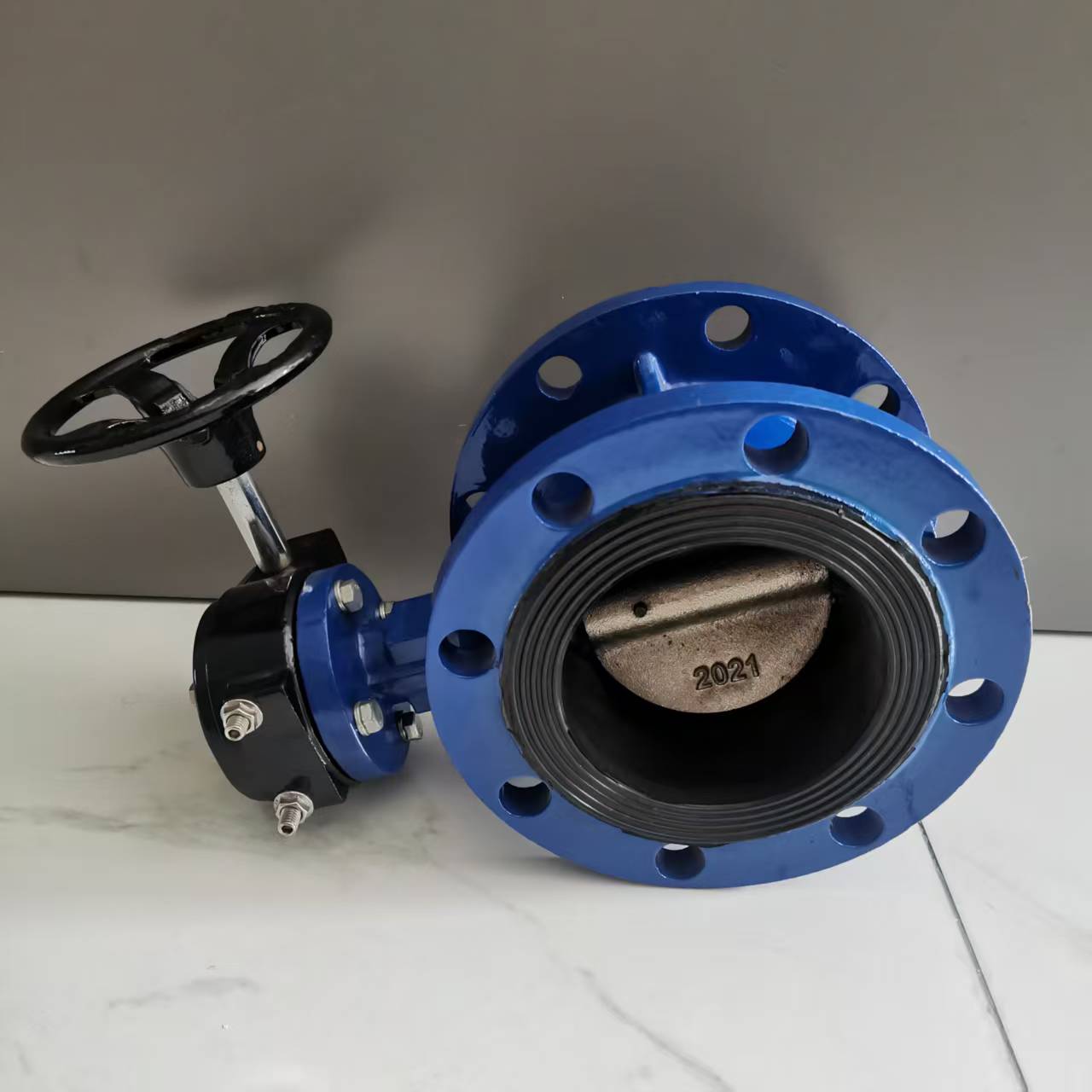
Flanged Butterfly Valve with Worm Gear (D341X)
D341X · DN100 (4") · Flanged, worm-gear operated
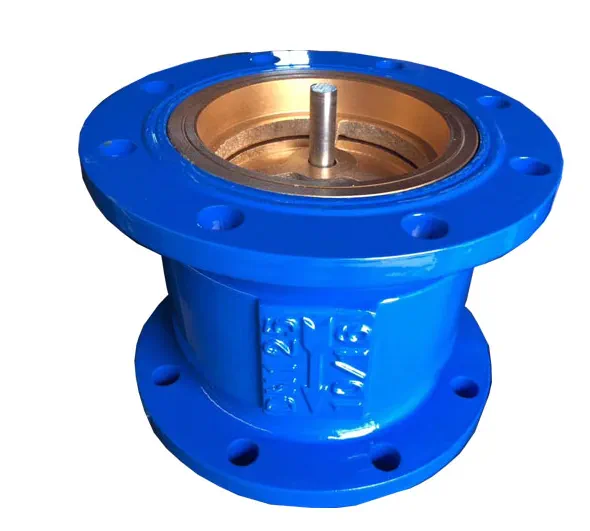
Silent Check Valve (HC41X)
HC41X · DN50 – DN400
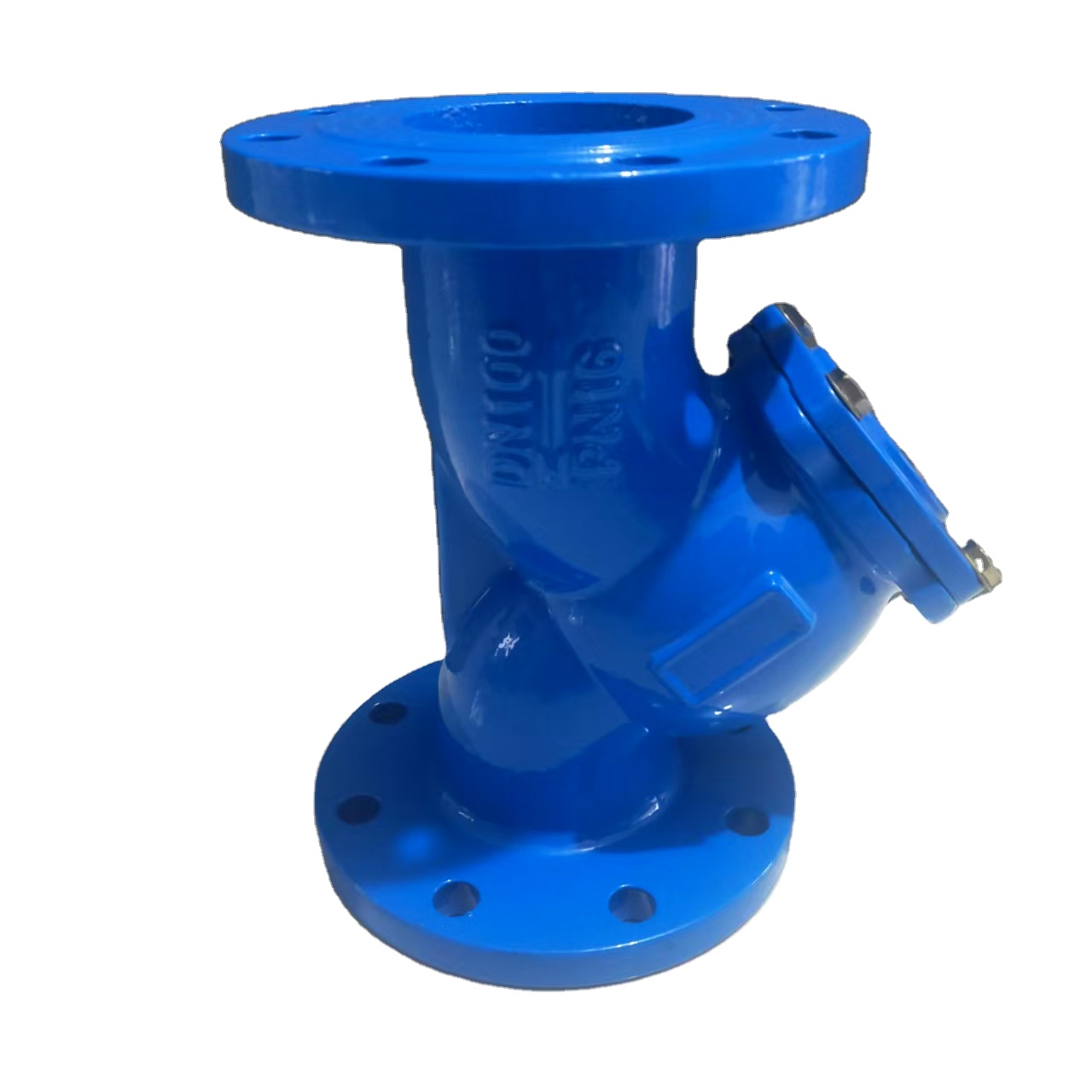
Y-Type Strainers
GL41H / DIN F1 · DN15 – DN400
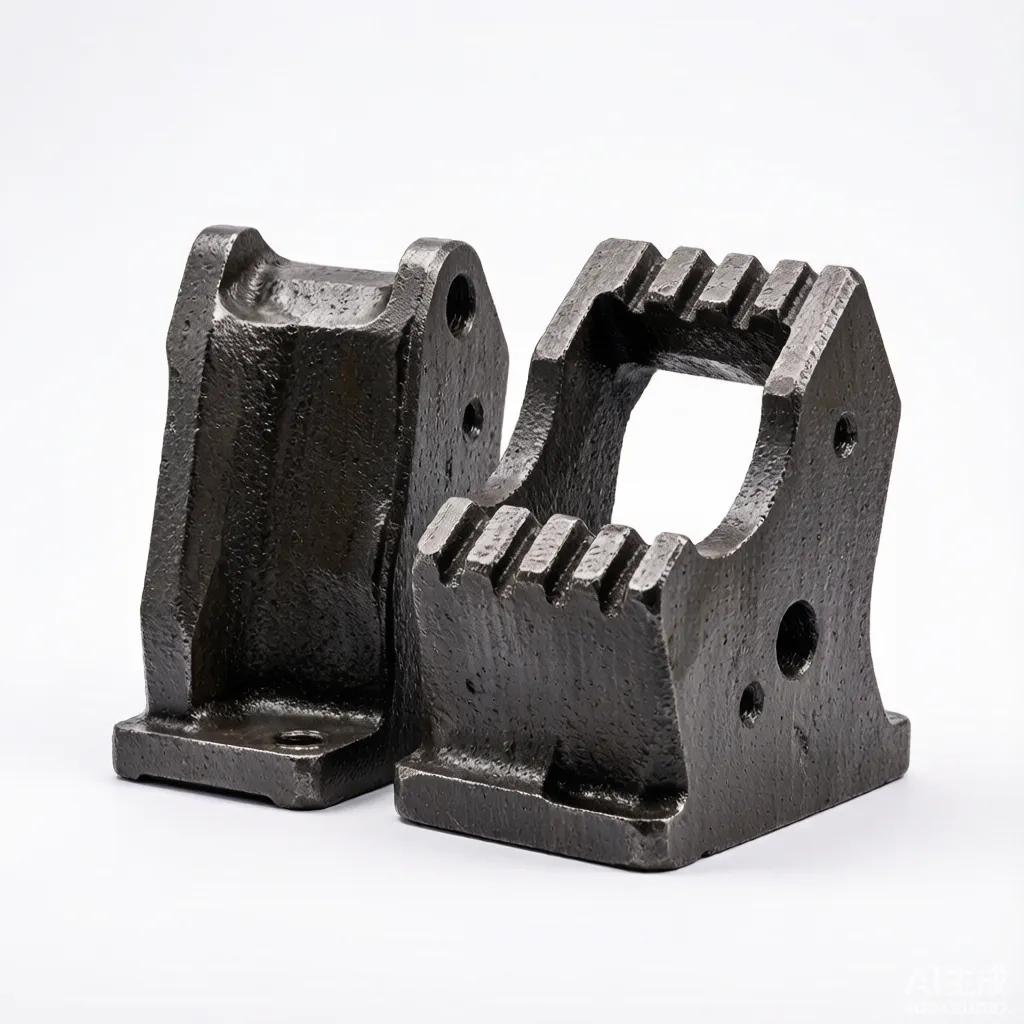
Jaw Crusher Plates
Mn18Cr2 / Mn13Cr2