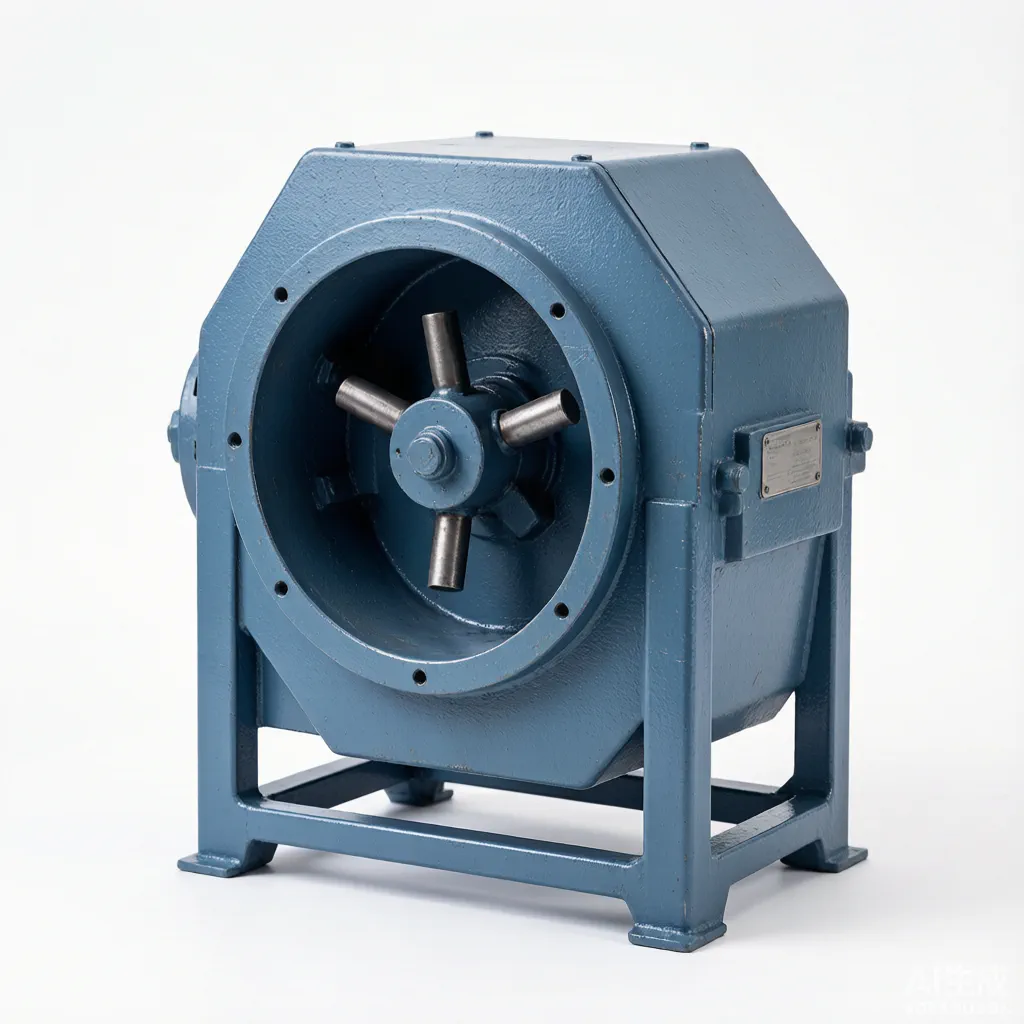
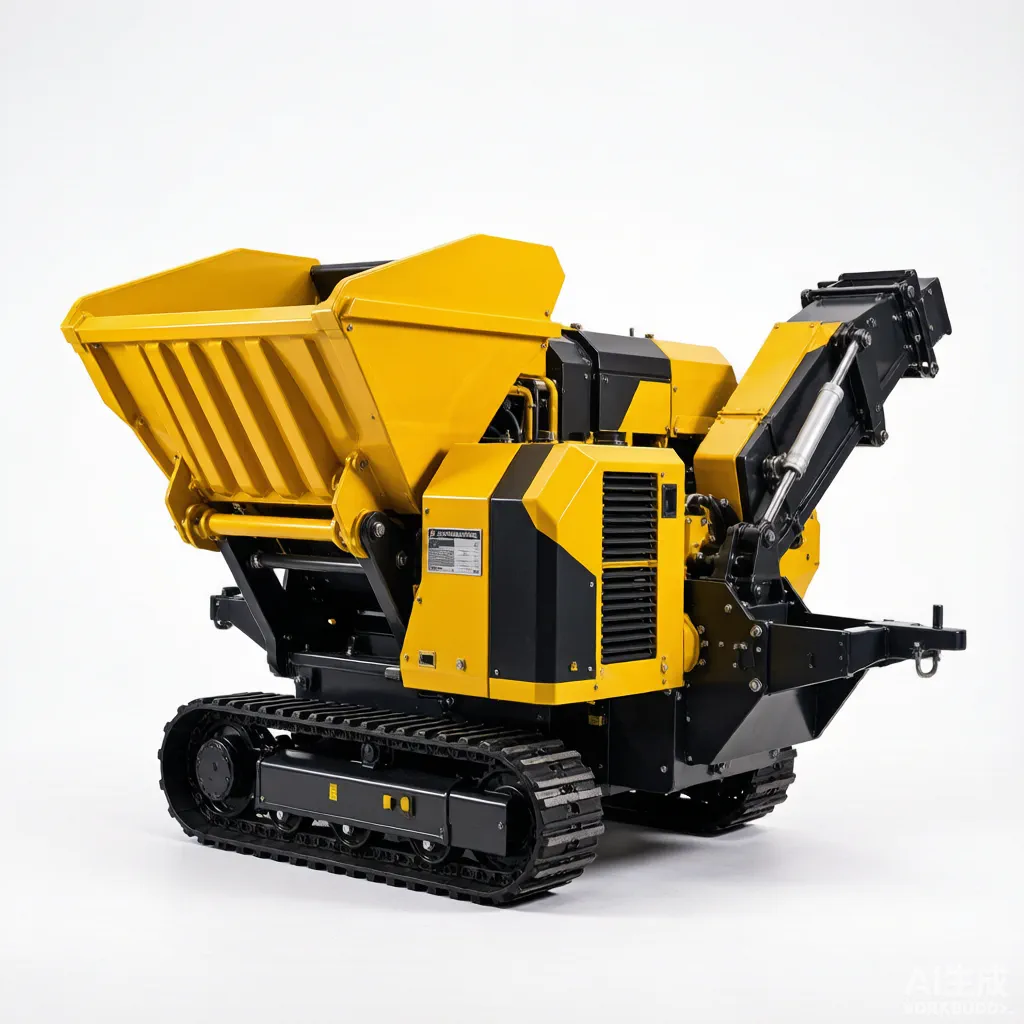
Jaw plates are the highest-consumption wear part in any primary crushing circuit — a quarry running a mid-size jaw crusher burns through a set of plates every few weeks to a few months, so plate quality and selection move straight to the bottom line. The strange part of the trade: nearly every foundry on earth can pour "high manganese steel", yet plate life between suppliers routinely differs by 50–100% for the same crusher and the same rock. This guide explains what actually drives that difference — grade, profile, fit and heat treatment — and how to buy plates that survive your material instead of dying early.
How Jaw Plates Actually Wear
High-manganese steel (Hadfield steel) works by work-hardening: the austenitic structure is soft when cast (around HB 200), and the impact of rock on the surface transforms the top layer to hard martensite, reaching HB 500–600 in service. That is why manganese plates survive in crushers but would wear out instantly as a static liner. The corollary matters for buyers: if the feed is too small or the crusher runs slow and under-fed, there is not enough impact to work-harden the surface, and the plate wears like mild steel. An under-fed crusher kills good plates.
Wear is not uniform. The bottom third of the fixed plate and the top of the moving plate do most of the crushing and wear fastest; abrasive fines accelerate this dramatically. If your feed carries a lot of silica sand or the material is recycled concrete rich in sand, wear is dominated by abrasion rather than impact — and the response is a different plate strategy: harder, thicker profiles and faster schedule changes, or a chamber redesign to keep feed coarse and crushing in the top of the chamber.
Diagnosis before ordering pays. Send the worn set (or good photos with a straight edge across the tooth profile) to your supplier: where the wear concentrates tells a competent supplier whether you need a profile change, a grade change, or simply a feed-grading fix. A supplier that quotes only by weight and never asks for worn-set photos is not engineering your wear parts — they are selling steel by the kilo.
Manganese Steel Grades: Mn13, Mn18, Mn22
The three workhorse grades are Mn13 (11.5–14.5% Mn, classic Hadfield), Mn18 (16–19% Mn with a couple of percent chromium) and Mn22 (21–24% Mn, alloyed for severe impact). The jump from Mn13 to Mn18 buys roughly 20–30% longer life in impact-dominated duty; Mn22 is for heavy gyratory and large-jaw primary duty where plate weight makes the premium worthwhile. For most small and mid-size jaw crushers, well-poured and properly heat-treated Mn18 is the sweet spot; Mn13 remains correct for standard duty and is cheaper.
The dirty secret is that grade on paper means little without process control. What separates a good Mn18 plate from a bad one is not the chemistry certificate — it is pouring temperature, deoxidation practice, and above all the solution treatment (water quench from ~1,050 °C) that dissolves the carbides back into austenite. A plate that skipped or botched the heat treatment has the right chemistry and 40% of the life. Ask suppliers for the heat-treatment record per batch, not just the melt analysis.
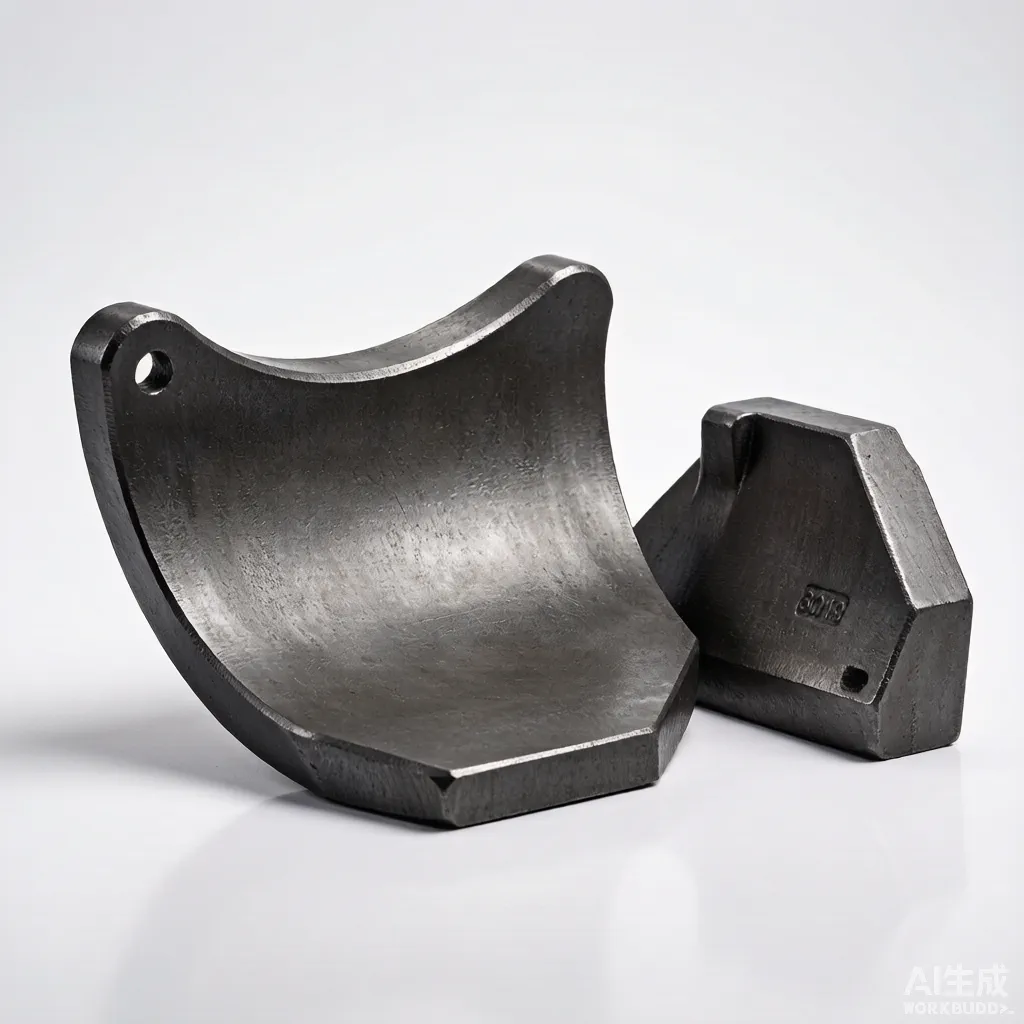
For abrasive-but-low-impact applications there is a second family worth knowing: alloyed ductile-iron and martensitic white-iron plates (often with ceramics inserted) that trade impact tolerance for raw hardness (HB 550+). These suit secondary shredding and recycling plants with steel-free feed; they chip in hard-rock primary duty. Wear part portfolio logic: manganese for impact, white iron for abrasion, and composite/ceramic options where abrasion dominates and feed is controlled.
| Grade | Composition | Hardness (as-cast → worked) | Best application | Cost vs Mn13 |
|---|---|---|---|---|
| Mn13 (Hadfield) | 11.5–14.5% Mn, 1.0–1.2% C | HB 200 → 500+ | Standard duty, medium-hard rock | baseline |
| Mn18Cr2 | 16–19% Mn, 1.8–2.2% Cr | HB 220 → 550+ | Impact-heavy primary crushing, harder feed | +15–25% |
| Mn22 / Mn24 | 21–24% Mn, Cr + Ni additions | HB 230 → 600 | Severe impact, large primaries, gyratories | +30–50% |
| Martensitic white iron | 15–27% Cr white iron | HB 550–650 (fixed) | Abrasive secondary/recycling duty, low impact | similar to Mn18 |
Tooth Profiles and Chamber Design
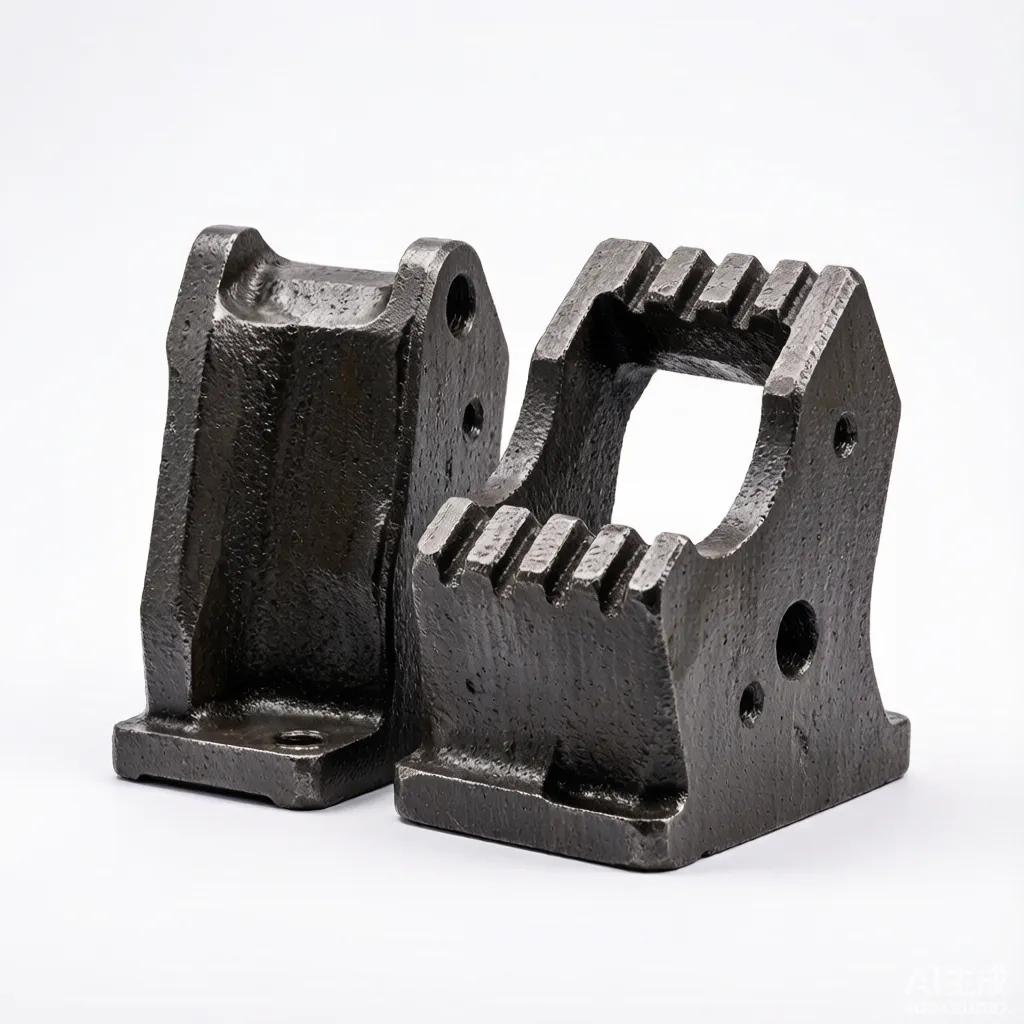
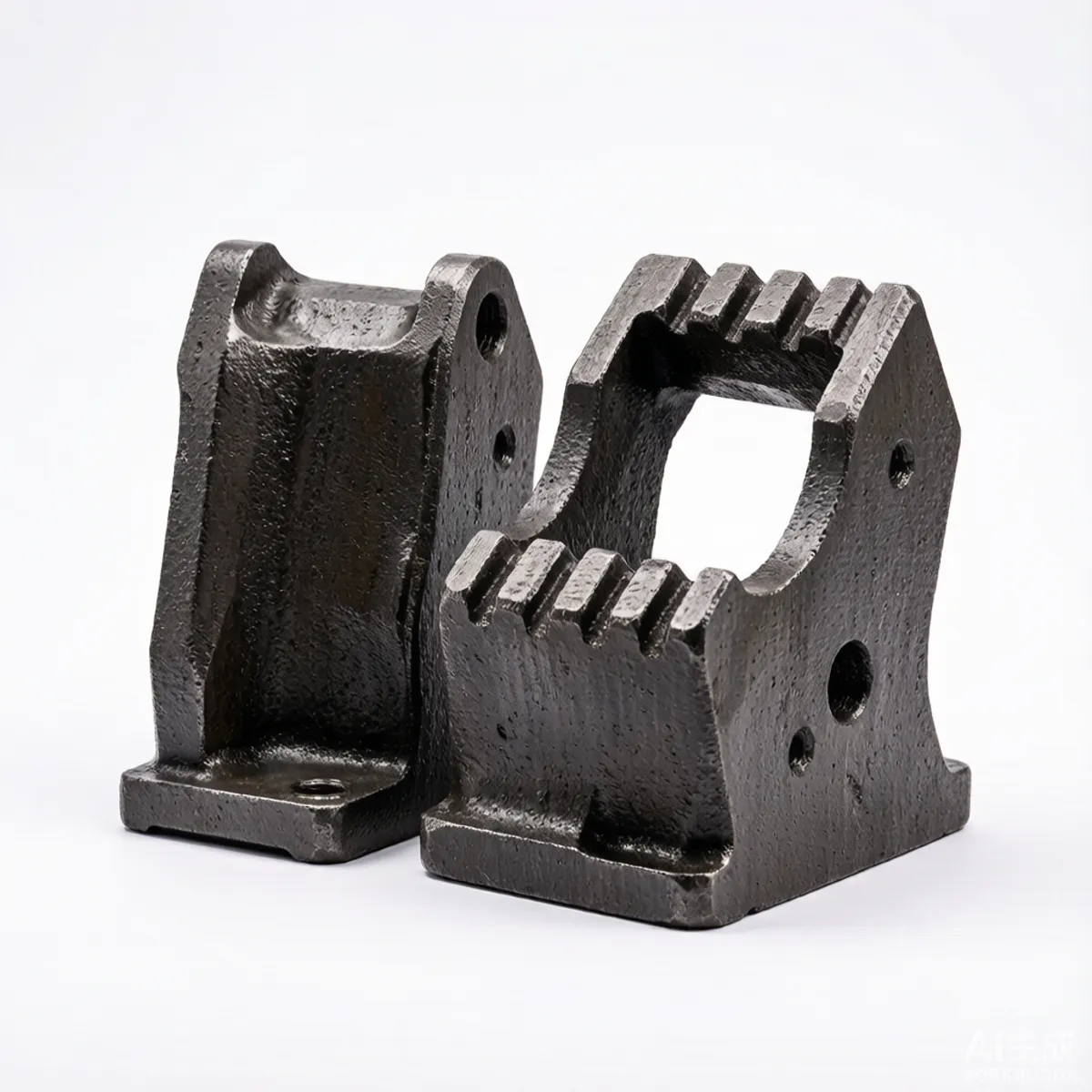
Tooth profile is where foundries actually differentiate, and it is the parameter buyers most often leave unspecified. Coarse sharp teeth bite rock and crush top-down, favouring throughput and coarse product; fine-tooth and flat profiles produce a tighter product curve but concentrate wear. Corrugated and staggered-tooth profiles are the compromise most quarries run on mid-hard rock.
The fit between moving and fixed plate sets the crushing chamber geometry. Running a worn profile against a new one on the other side distorts the chamber, shifts the crushing zone downward and accelerates both plates — so plates should be changed in pairs, even when one looks half-alive. Where crushers alternate coarse and fine duty, keep dedicated sets rather than mixing.
When ordering from China, always supply the crusher model and the OEM plate drawing number (PE 600×900, CJ series, Metso/Nordberg equivalent, etc.). Good foundries hold patterns for the popular Chinese models and the common Symons/Nordberg and Metso machines; for anything unusual they cut a new pattern from your sample or drawing — expect a one-off pattern charge and a longer lead time on the first set, and keep the pattern on file for repeats.
| Profile | Behaviour | Typical use |
|---|---|---|
| Coarse sharp tooth | Bites feed, high throughput, coarser product | Primary duty on mid-hard and hard rock |
| Corrugated / staggered | Balanced wear and product curve | General quarry duty, default choice |
| Fine tooth / flat | Tighter product, faster wear | Secondary duty, tight spec aggregate |
| Toothed with rib backing | Stiffens plate, resists bending | Large crushers, slabby feed |
Matching Plates to Your Crusher and Material
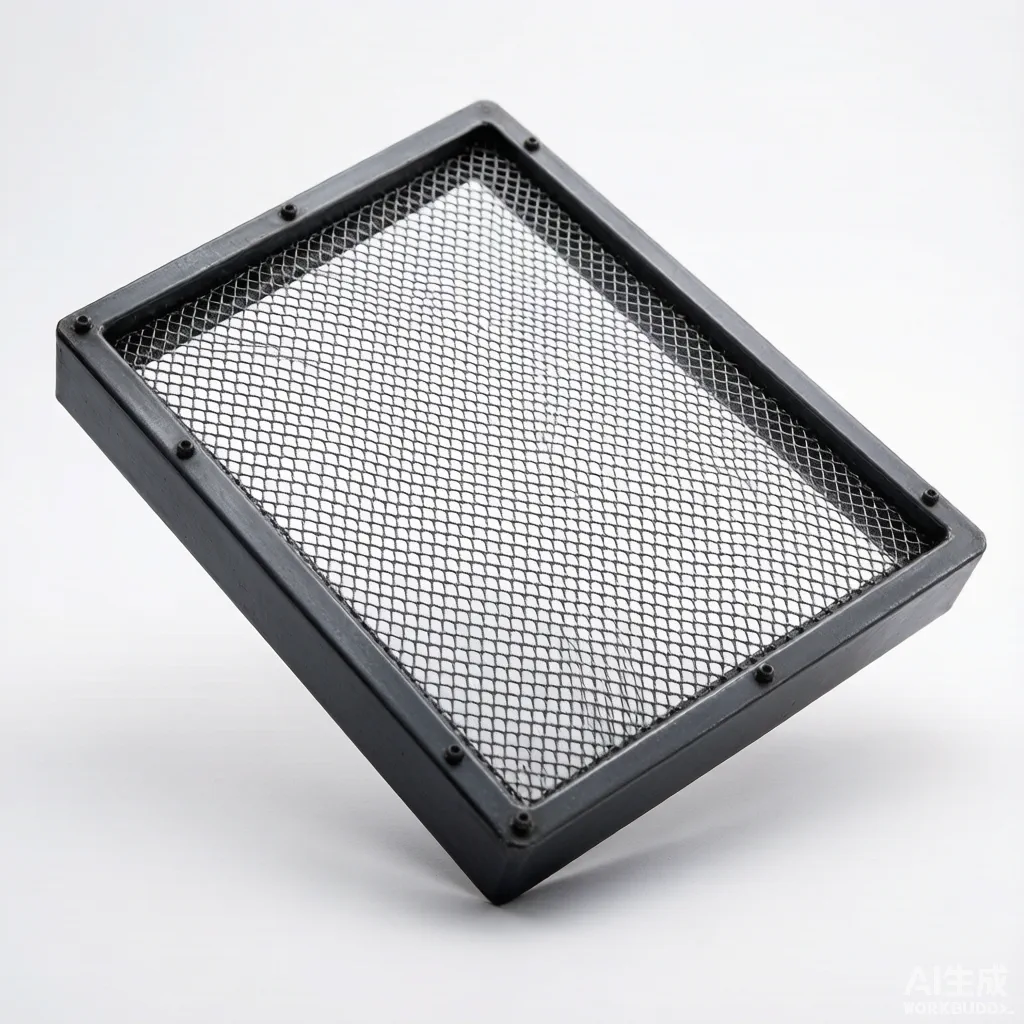
Start from the material, not the catalogue. Silica content and compressive strength drive abrasion and impact: limestone and most recycled concrete are gentle; basalt, granite and quartzite are plate-killers; abrasive fines in the feed are worse than head-size rock. Then check the crushing stage — primary jaws see impact and need manganese; secondary cones and impactors see different wear geometry and need their own part strategy. If you are also running hammer crushers or screens downstream, plan wear parts as one budget, not per machine: the screen media that classifies your crushed product is in the same abrasive stream and usually wears on a correlated schedule.
Machine condition is the forgotten variable. Worn eccentric bearings and loose toggle seats change the stroke and let plates flex, and flexing plates crack at the tooth root long before the manganese itself is consumed. If plate life collapses without a feed change, check the machine before blaming the foundry — a bent shaft or a loose cheek plate bolt pattern shows up first as plate failure.
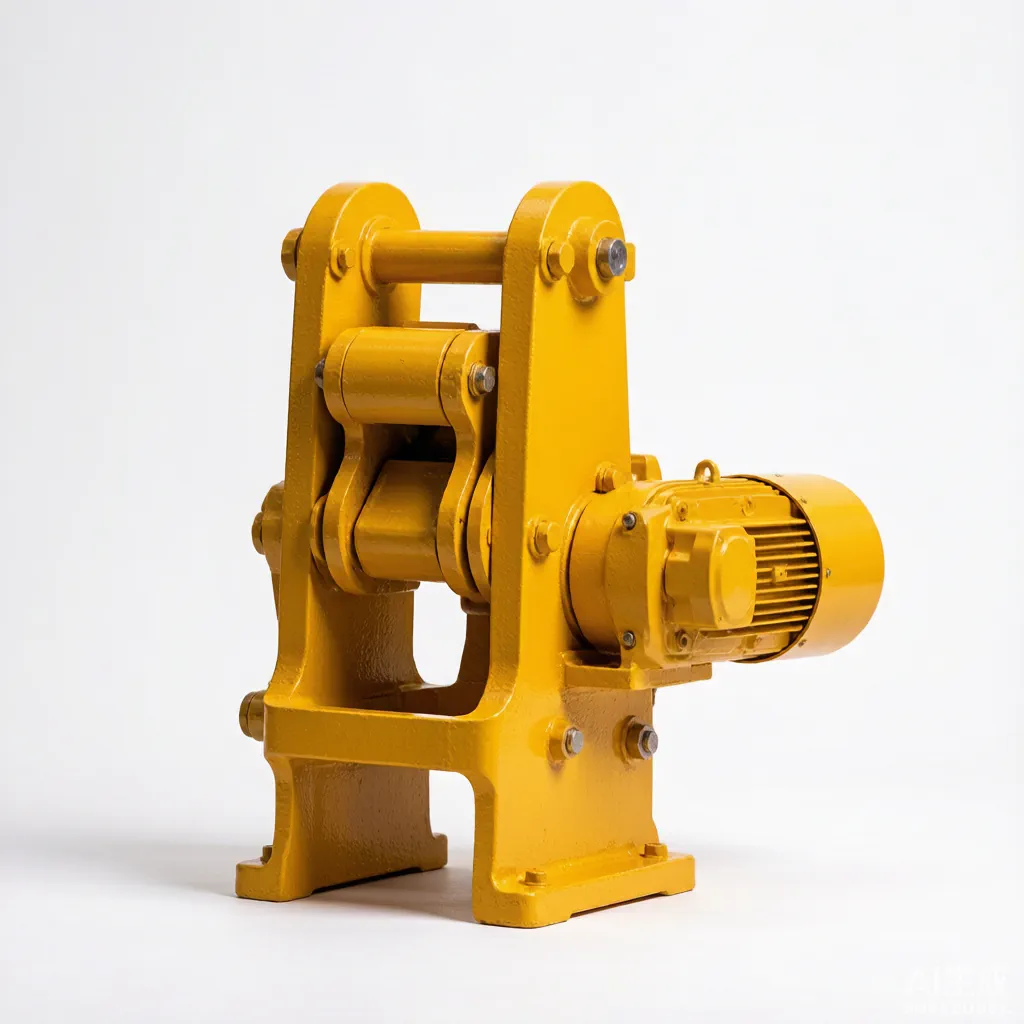
For complete plant operators running mobile crushing stations, the logistics rule is simple: keep one full wear set per machine on site, and reorder at 50% wear, not at failure. Mobile plants move to where the rock is, and a starved crusher waiting three weeks for plates is the most expensive downtime in the quarry.
Quality Checks Before You Accept a Shipment
Wear parts are heavy, low-margin goods and the classic frauds are substitution: Mn13 poured and certified as Mn18, unlicensed copies of OEM patterns with wrong geometry, or skipped solution treatment. Every check below is cheap relative to one wasted set; combined they catch nearly all substitution attempts.
- Melt analysis certificate (chemistry) matched to heat numbers stamped on the castings
- Solution-treatment record per batch — quench temperature and hold time, not just "heat treated"
- Hardness sampling: HB 190–230 as-delivered on manganese (harder as-cast usually means untransformed carbides — bad, not good)
- Dimensional report against the OEM drawing: thickness at tooth root, hole pattern, radius fits
- Visual: clean pour with no cold shuts or cracks at tooth roots and bolt bosses; shot-blasted, not painted over defects
- For first orders: an independent pre-shipment inspection (SGS/BV) with PMI spot checks is inexpensive insurance
- Weight check per piece against drawing — short-weight castings are thinner-walled and die early
Lifetime Economics: Price per Tonne Crushed
Price plate suppliers on cost per tonne crushed, never on price per kilogramme. A cheap plate set at USD 0.9/kg lasting 60,000 tonnes is worse business than a premium set at USD 1.3/kg lasting 110,000 tonnes on the same machine — the premium set halves changeover downtime, and downtime is usually worth more than the steel. Ask candidates for references on your crusher model and material, then price the trial set as an experiment, not a commitment.
When comparing offers, normalise everything: same grade, same profile, same nominal thickness, delivered to the same port. Then track actual set life in your maintenance log — tonnes crushed per set is the only number that settles supplier arguments. Quarries that track this per supplier typically consolidate to one or two foundries within a year, and the price they then pay is not the lowest quote they ever received, because the cheapest plate is rarely the cheapest per tonne.
Freight and duty are part of the economics too. Manganese plates are dense and ship well, but a half-container of plates ordered reactively costs air-fraight or expediting fees; a planned annual volume shipped as full containers with your mill liners and screen media consolidated cuts landed cost 10–15%. Plan the wear-parts calendar with the supplier and hold safety stock for the one machine whose downtime stops the plant.