Saudi Arabia runs one of the largest water-infrastructure programs in the region — municipal networks, treatment plants, industrial cooling lines and giga-project utilities all consume gate valves in the thousands per year. Most of that volume is imported, and China is the leading origin. This guide walks through the practical decisions a Saudi buyer faces: which valve series to specify, which standards apply, how to qualify a supplier, and how SABER certification and logistics actually work.
Gate Valve Types: Which Series Fits Your Project
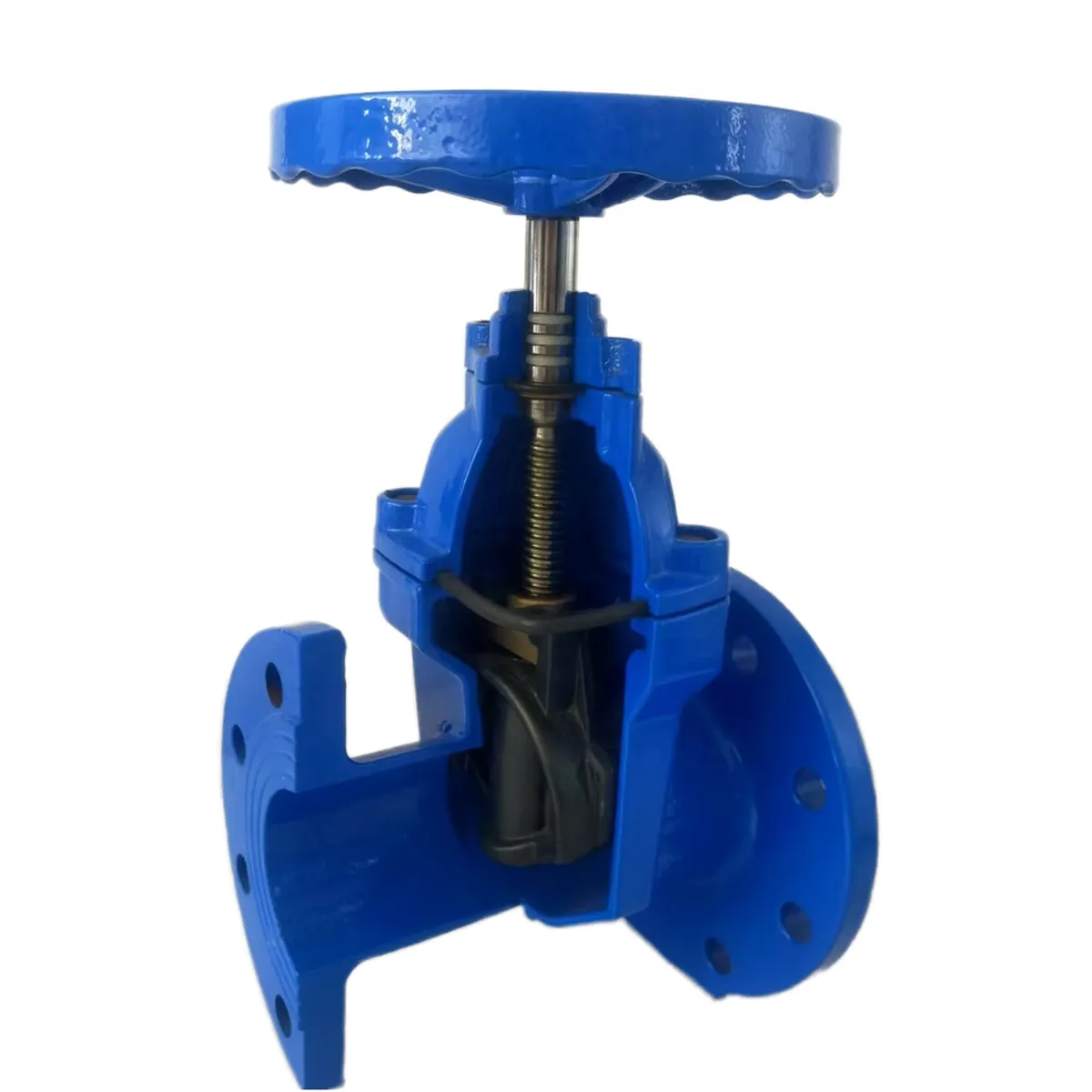
For buried municipal water mains and pumping stations, the workhorse is the resilient-seated wedge gate valve: a ductile-iron body with a fully vulcanised EPDM wedge, which seals drip-tight at low differential pressure and tolerates sand and sediment in the line. The two variants you will see on every datasheet are NRS (non-rising stem) for buried or compact installations where the stem does not move vertically, and OS&Y (outside stem and yoke) where the rising stem makes the open/closed position visible from a distance — preferred in plants and above-ground vaults where operators must verify valve state at a glance.
A common specification pattern in Saudi municipal work pairs an NRS resilient gate valve for buried mains with an OS&Y resilient gate valve inside valve chambers, so the chamber valves can be visually confirmed. Both share the same pressure class and seat material, which simplifies spares.
For sewage, slurry and higher-temperature service, metal-seated gate valves use a bronze or stainless seat ring instead of rubber. They do not seal as bubble-tight as resilient seats but survive media that would destroy an elastomer. A DIN F4 metal-seated gate valve or a BS5163 metal-seated valve is the usual answer for wastewater lift stations and industrial water with hydrocarbons. When flow regulation rather than isolation matters, a gear-operated butterfly valve is usually lighter and cheaper than an equivalent gate valve.
Standards: DIN, BS, AWWA, EN and GB Explained
The Saudi market is standards-driven because consultants write the specs. Four families cover almost every gate-valve tender; picking the right one before you request quotes avoids re-quoting later.
One practical note: BS5163 and DIN 3352 F4 valves overlap heavily in dimensions and flange drilling (both use ISO 7005 / EN 1092 flanges), so many factories run the same body on both lines and certify to whichever standard the purchase order names. EN 1074 adds functional requirements (tightness class, flow resistance) on top of dimensions, and AWWA C509/C515 is the North-American-flavoured spec seen in some EPC packages.
| Standard | Typical valve | Where you will meet it in KSA |
|---|---|---|
| DIN 3352 F4 | Resilient seated, NRS or OS&Y | Municipal water, general industrial — the most common spec in Saudi tenders |
| DIN 3352 F5 | Resilient seated, flanged, rated PN16/PN25 | Pumping stations and higher-pressure mains |
| BS5163 | Resilient/metal seated, PN16 | Legacy UK-spec projects, wastewater networks |
| AWWA C515 | Resilient seated, ductile iron | Giga-project EPC packages with US-style specs |
| EN 1074-1/2 | Resilient seated, with functional tests | European-financed water treatment plants |
How to Qualify a Gate Valve Supplier
A supplier that cannot document the items below will fail pre-qualification on any serious Saudi tender — check them before you spend time on price negotiation, not after.
Pressure testing is the single most important item. Every gate valve leaving the factory should have passed a shell test (typically 1.5× rated pressure) and a seat test (1.1×) per ISO 5208. Ask whether testing is 100% or sampled, and whether the test report references the valve serial numbers on your packing list — this is what third-party inspectors in Saudi Arabia check first when a shipment is challenged.
Material traceability is the second. Ductile-iron bodies should be QT500-7 or better with a casting certificate; stems are typically stainless 2Cr13 or brass; seats EPDM for potable water (require the WRAS/NSF-type drinking-water statement if the line is for drinking water) or NBR for general industrial use. Coating matters for buried service: fusion-bonded epoxy at 250 µm minimum inside and out, or at minimum a zinc-rich primer plus bitumen topcoat. Undocumented "black paint" is a 3-year burial lifetime instead of 15.
- ISO 5208 shell & seat pressure test reports, ideally 100% and serial-linked
- Casting certificate for ductile-iron body material (QT500-7 / EN-GJS-500)
- Seat material statement: EPDM (potable, WRAS-style) or NBR (general service)
- Coating specification with thickness (FBE ≥ 250 µm for buried valves)
- SABER PCoC certificate or documented experience running SABER with a notified body
- Reference shipments to KSA — Bill of Lading copies are the honest proof
- Optional but worth it: pre-shipment inspection by SGS/BV/TÜV, at buyer or supplier cost
SABER / SASO Compliance for Valve Imports
Since Saudi Arabia moved conformity control onto the SABER platform, valves for water and general industrial use generally need two documents before customs clearance: a Product Certificate of Conformity (PCoC) — a model-level certificate issued once per product family after type testing and a factory audit by a Saudi-accredited notified body — and a Shipment Certificate of Conformity (SCoC) issued per consignment against the PCoC, keyed to the invoice and container numbers.
The practical implication for supplier selection: a factory that already holds a PCoC for resilient gate valves can issue an SCoC for your shipment in days. A factory with no PCoC must first run type testing and an audit — 4 to 8 weeks and real cost — before your goods can be certified. This is why "SABER experience" appears on the supplier checklist above; it is not paperwork trivia, it is your delivery date.
The certificate chain travels with the shipment: SCoC number, invoice and packing list must match, and the clearing agent in Jeddah or Dammam will reject mismatches. Give your supplier the final invoice values and HS code before the SCoC is raised, not after the container sails.
Pricing, MOQ and Lead Times to Jeddah and Dammam
Indicative ex-works pricing for certified ductile-iron resilient gate valves runs roughly USD 25–45 for DN50, USD 45–75 for DN100, and USD 150–300 for DN300 depending on pressure class, coating and standard extras. Metal-seated and PN25 items sit at the top of each band. Treat these as sanity bands rather than quotes — but a DN100 quote far below USD 40 usually means grey cast iron instead of ductile iron, and that valve will fail in service.
MOQ is flexible on stocked series: a mixed order of several sizes and models totalling one pallet is usually acceptable, because the factory runs these series continuously. Truly custom items (special coatings, non-standard flanges, voltages for actuators) trigger the real MOQ — a full production batch, typically 50–200 pieces per model.
Standard lead time is 25–40 days production plus 4–6 days to a Chinese port and 18–25 days ocean transit to Jeddah (Dammam via the Gulf adds a few days or routes via Jebel Ali transshipment). SCoC issuance adds 3–7 working days. Realistic door-to-door: 8 to 11 weeks from confirmed order. Incoterms matter here — FOB is the default for experienced importers; CIF hides the freight margin inside the valve price; DDP into KSA is rare because the importer of record must be a licensed Saudi entity, which is usually you, not your supplier.
Two cost levers buyers overlook: consolidate valves with other product lines in the same container (a full container of valves alone is rare below DN200 volume), and align multiple purchase orders to one SCoC — one certificate per consignment, not per order line, saves both fees and clearance time.
Frequently Asked Questions
Related Products
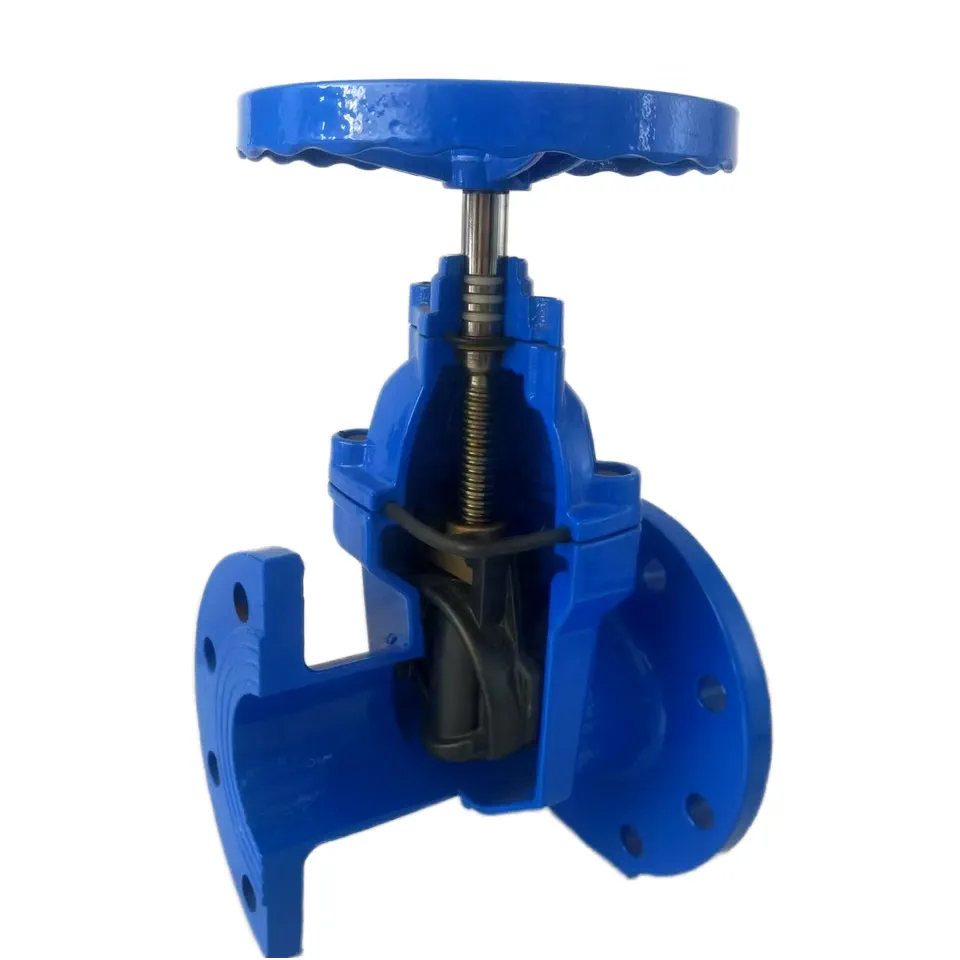
Resilient Seated Gate Valve (NRS)
S4 / S5 · DN40 – DN600 · BS5163 / EN 1074-2
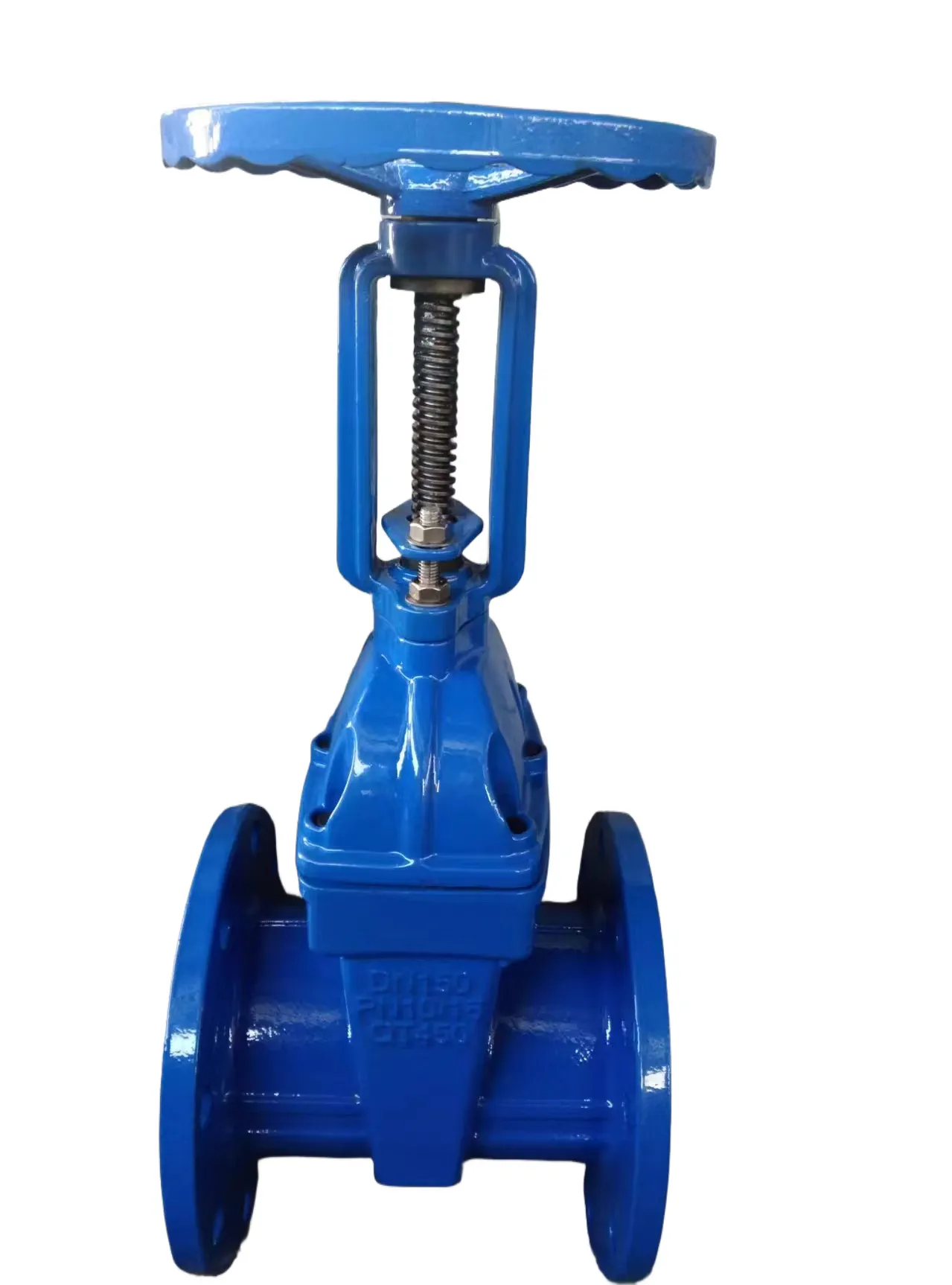
OS&Y Resilient Seated Gate Valve
OS&Y · DN40 – DN600 · GB / BS5163 / DIN F4 / AWWA
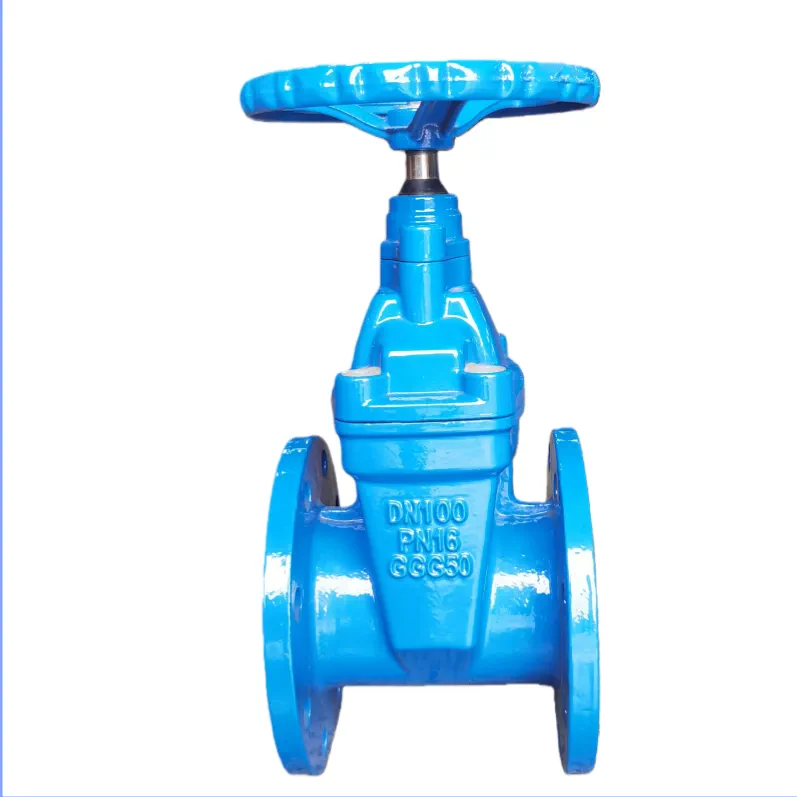
DIN F4 Resilient Gate Valve (NRS)
DIN 3352 F4 · DN50 – DN600 · PN10/16
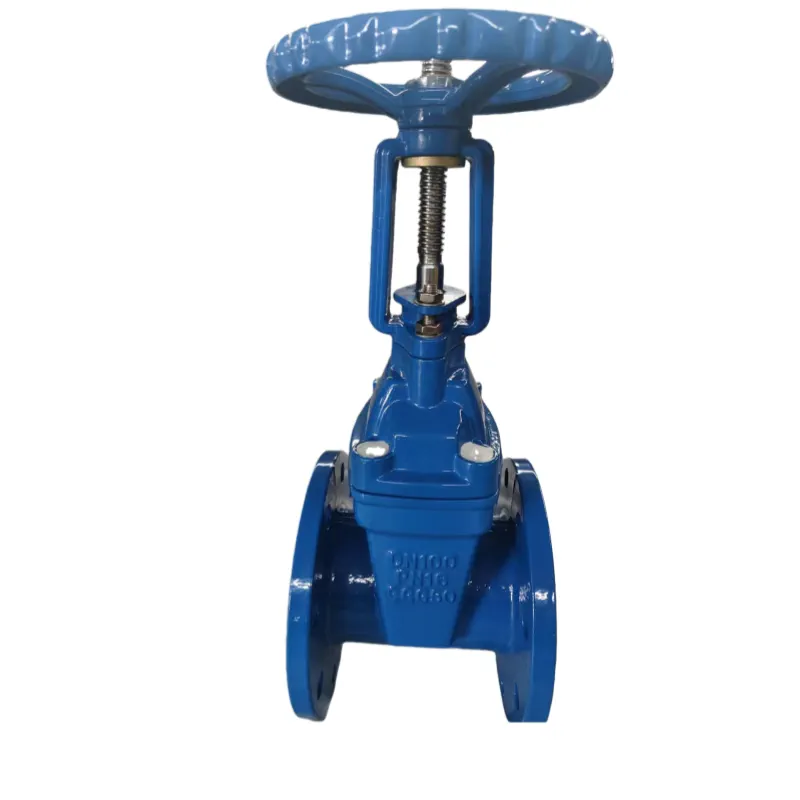
DIN F4 Resilient Gate Valve (OS&Y)
DIN 3352 F4 · DN50 – DN600 · PN10/16
AWWA Resilient Gate Valve (NRS)
AWWA C509 / C515 · DN40 – DN600
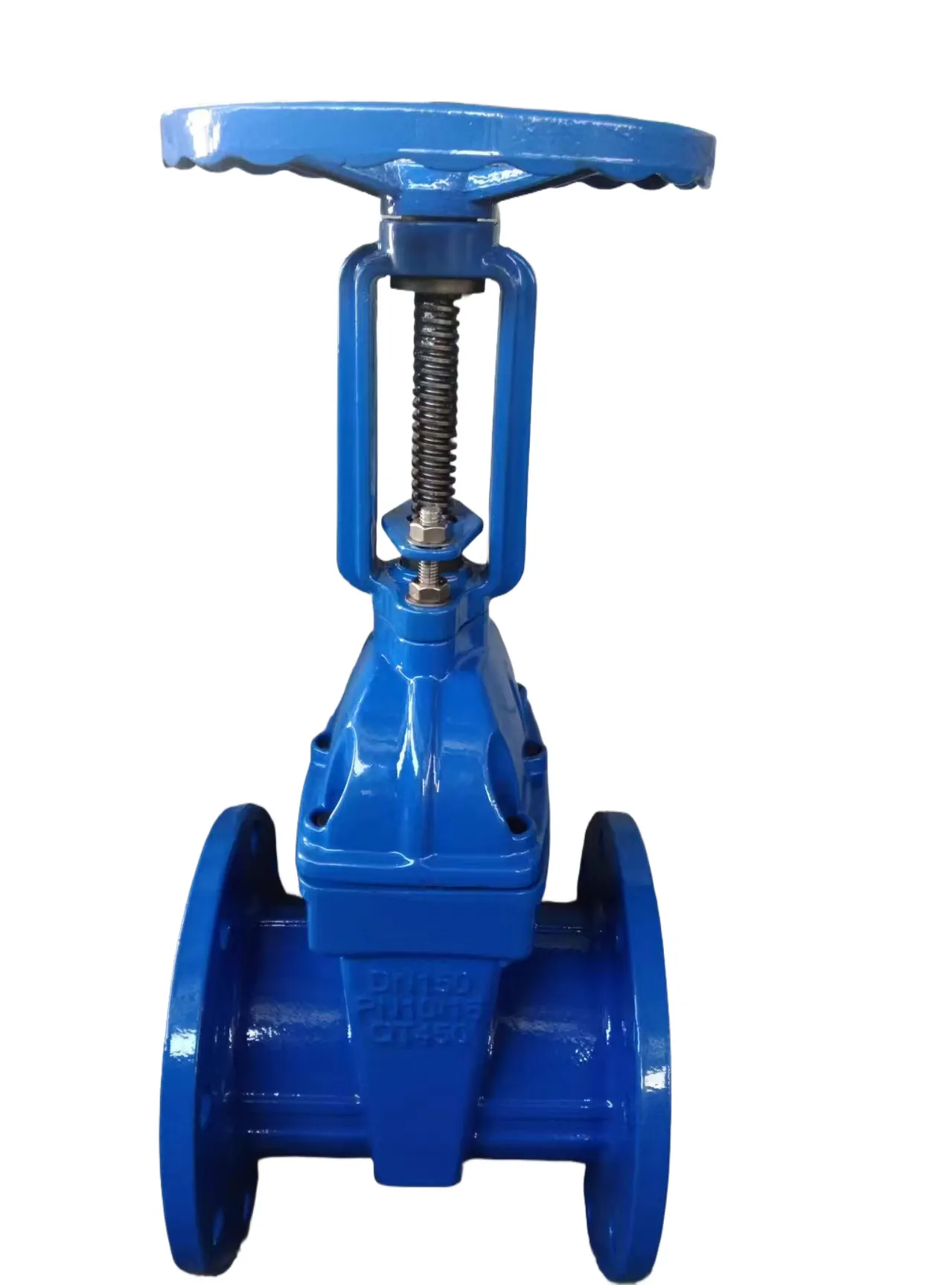
AWWA Resilient Gate Valve (OS&Y)
AWWA C509 / C515 · DN40 – DN600