Check valves are the cheapest component in a pipeline and the most common source of noise, water hammer and midnight pump-station callouts. The valve itself rarely fails — the wrong type in the wrong place fails, loudly. A swing check that works quietly on a gravity line will slam destructively on a pumping main; a silent check that protects a pump is wasted money on a low-velocity drain. This guide compares the five types you will actually be quoted for water and industrial service, explains the physics behind valve slam, and gives a selection method that works from your flow data rather than from a supplier catalogue page.
What a Check Valve Has to Do
A check valve (non-return valve) allows flow in one direction and closes against reverse flow. That single sentence hides three separate jobs: it must open fully at normal flow and stay stable there, it must close before reverse flow develops significant velocity, and it must absorb the deceleration of the liquid column without transmitting a shock wave into the system. Different check valve designs trade these three jobs against each other, which is why no single type is "best".
The critical parameter is the velocity at which the valve starts to close. If the disc, ball or piston only begins moving when flow reverses, it has to stop a moving liquid column in a fraction of a second — the closure is a collision, and the collision becomes water hammer. Designs where the moving element is spring-loaded or centre-pivoted begin closing while flow is merely decelerating, so the element is already near its seat when reverse flow arrives. This is the entire engineering difference between a slam-prone swing check and a silent check valve, and it matters more than any material or brand choice you will make.
The second quiet performance number is headloss. Every check valve permanently obstructs forward flow, and on a continuously-running pumping line, the pumping energy wasted across the valve over a year often exceeds the purchase price several times. A valve with 40% more headloss coefficient can be the more expensive option even if it is free.
The Five Types You Will Be Quoted
Swing check: a hinged disc swinging around a top pin. Simple, cheap, fully-port opening with low headloss, tolerant of dirty water. It depends on gravity and backflow to close — so it closes late and slams on lines with fast flow deceleration, especially vertical or pumping installations. Fine for gravity and low-cycle service; the wrong choice downstream of a pump.
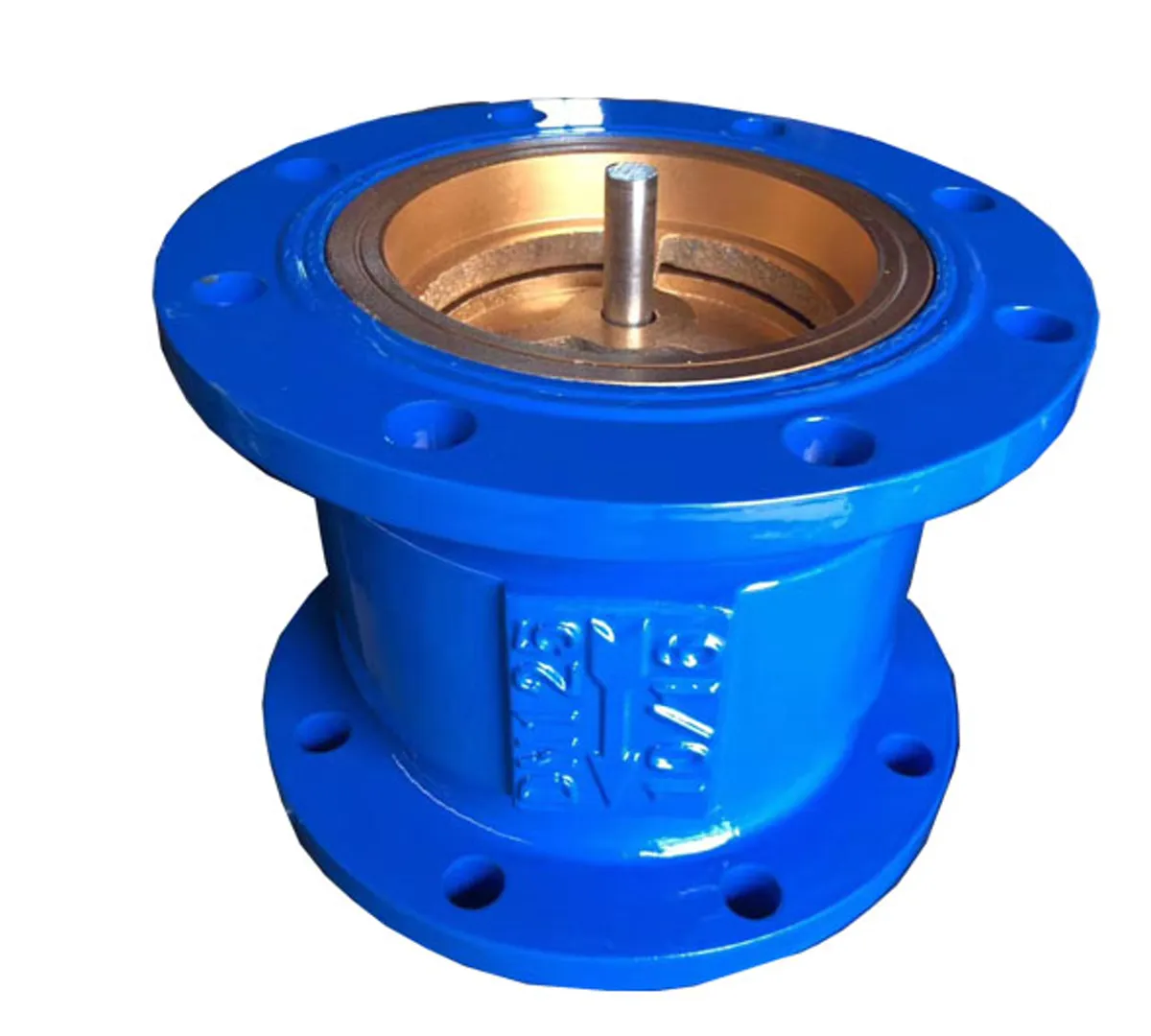
Silent (nozzle or spring-loaded poppet) check: a centre-guided poppet pushed onto the seat by a spring, closing the moment forward velocity decays toward zero. It cannot slam in the way a swing check does because it never lets reverse velocity build. The trade-off is a smaller flow path: higher headloss than swing, and sensitive to suspended solids — it belongs on clean water pumping mains, not raw sewage or sandy river water. Our silent check valves are the standard choice downstream of booster and fire pumps.
Piston (lift) check: flow lifts a piston or disc along the pipe axis, with a spring or gravity return. Compact, works in any orientation with a spring, good sealing at low back-pressure, moderate headloss. Common in smaller industrial lines and as a pump-protection valve in compact skids.
Ball check: a free ball lifted off a seat by flow. Extremely tolerant of viscous and solids-laden fluids — the seat wipes the ball clean every cycle — but heavy, high headloss and slow-closing at large sizes. Mostly small sizes and slurries.
Dual-plate wafer check: two half-discs on a central hinge pin, closed by torsion springs, sandwiched between pipe flanges in a wafer body. The lightest and cheapest per size for large diameters, spring-assisted so it closes before slam, low headloss when open. The standard choice for large water transmission lines and HVAC; the limitation is a short face-to-face and reduced repair options — it is essentially replace-not-repair.
| Type | Closing action | Slam risk | Headloss | Solids tolerance | Best service |
|---|---|---|---|---|---|
| Swing | Gravity + backflow | High on pumps | Low | Good | Gravity lines, low-cycle |
| Silent / nozzle | Spring, before reversal | Very low | Moderate | Poor | Clean-water pump mains |
| Piston / lift | Spring or gravity | Low | Moderate | Fair | Small industrial lines |
| Ball | Gravity + backflow | Medium | High | Excellent | Slurry, viscous, small sizes |
| Dual-plate wafer | Torsion springs | Low | Low | Fair | Large transmission lines |
Water Hammer and Slam: The Physics a Supplier Will Not Explain
When a pump stops, the liquid column decelerates according to the system inertia, but a check valve only closes once flow tries to reverse. The time gap is everything. If the valve closes against reverse velocity v, the pressure surge is proportional to ρ·v·a (liquid density, reverse velocity, wave speed) — even 0.5 m/s of reverse velocity in a steel water main can generate surge pressures of several bar above operating pressure, enough to move pumps off their foundations over time.
Spring-assisted designs shrink v toward zero: the element follows the decelerating flow and is essentially seated when reversal begins. This is why "anti-slam" is not a marketing feature but a design class. If your pumping station cycles frequently — municipal boosters do, dozens of times a day — the slam energy is cumulative, and the fatigue shows up as broken discs, worn pins and cracked headers years before anyone blames the check valve.
If the system already has a slam problem and replacing every check valve is not practical, mitigation options are air vessels, slow-closing control valves or surge-anticipating relief valves. But on a new procurement, choosing the right check type at ordering time is dramatically cheaper than any of these add-ons.
A Selection Method That Works
Start from the pump, not the valve. Establish the normal flow velocity: if the line runs above roughly 1.5 m/s continuously, headloss becomes a first-order cost — prioritise swing or dual-plate. If the pump starts and stops frequently, slam risk dominates — prioritise silent or dual-plate. If the medium carries grit, sand or stringy solids, spring-guided close-clearance designs drop out early — swing or ball. Clean treated water in a cycling booster station points unambiguously at silent check valves.
Then apply the installation constraints. Vertical lines with upward flow forbid plain gravity swing checks outright. Wafer dual-plate valves need adjacent flanges and space for the lugs; they also do not belong at the suction side of a pump where turbulence is high. Space between flanges, orientation and accessibility for maintenance are all checkable on the drawing before you ask for prices.
Finally, match the pressure class and material of the neighbouring isolation valves. There is no sense in pairing a PN16 ductile-iron resilient seated gate valve with a class-150 cast-steel check on the same water line — the assembly inherits the weakest member. For a typical Saudi municipal or irrigation scope, the pairing of ductile-iron gate valves, silent checks at the pumps and a strainer upstream of each skid covers the large majority of positions in a tender bill of quantities.
- Compute line velocity at design flow — above ~1.5 m/s, weight headloss heavily
- Count pump starts per day — frequent cycling rules out plain swing checks
- Inspect the medium — grit or solids eliminate most spring-guided designs
- Check orientation — vertical upflow forbids gravity swing checks
- Match pressure class and body material with adjacent valves, not the cheapest quote line
- For large transmission diameters, price dual-plate wafer against swing including the smaller valve chamber it allows
The Oversizing Trap
The most common selection error is not the valve type but the size. Specifying a check valve at the same diameter as the pipe "to be safe" often puts the valve below its stable opening flow: the disc or plates hover in a half-open position, chattering against the stop, wearing the pin and seat and generating noise and pressure pulsation. A check valve one nominal size smaller than the line — installed with reducers — frequently performs better and wastes less energy than a full-bore valve loafing at 30% opening.
Ask any supplier you shortlist for the minimum fully-open velocity of their design. Reputable manufacturers publish it; silence on this number is a signal. Then verify that your minimum continuous flow (not the design maximum — the minimum the line actually runs at) produces at least that velocity. On lines with a wide turndown, dual-plate and spring-assisted types tolerate partial opening better than plain swing checks, but no check valve is happy parked half-open for years.
Procurement Checklist and Common Tender Mistakes
When comparing quotations for the same check valve type, the visible price differences hide the fields that decide performance: spring material (stainless versus plated carbon steel in a humid pump room is a five-year failure lottery), seat elastomer grade for chlorinated potable water, presence of a replaceable seat ring, and whether the body is painted epoxy internally. A valve meeting these points costs 10–20% more and outlasts the cheapest line item by years.
In tenders we see for Saudi water and irrigation projects, two recurring mistakes cost bidders later: specifying "check valve" without type, which lets the cheapest gravity swing into a booster station, and copying pressure classes from a different standard series (PN versus ASME class) so the supplied valve does not match the flange drilling of the adjacent gate valves and butterfly valves. Write the type, the closing action and the flange standard into the specification line, and the ambiguity disappears.
For delivery, confirm the test standard the factory will apply — ISO 5208 leakage rates and shell and seat pressure tests, witnessed or with certified reports — and require the pressure test report in the shipping documents. Check valves are cheap enough that factories are tempted to batch-test; insist on per-valve shell tests on anything going into a pressurised public network.
Frequently Asked Questions
Related Products
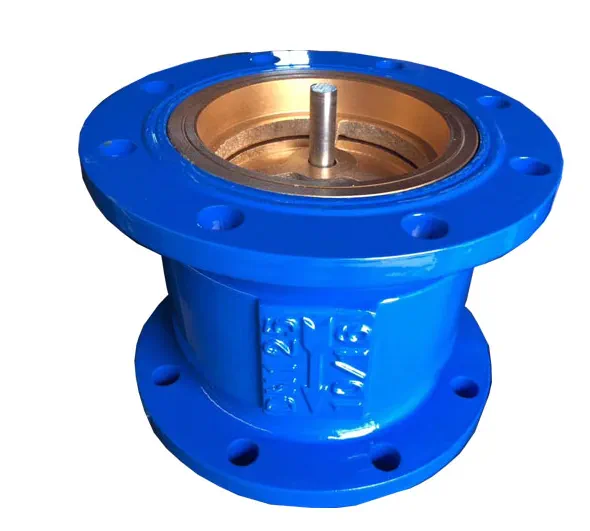
Silent Check Valve (HC41X)
HC41X · DN50 – DN400
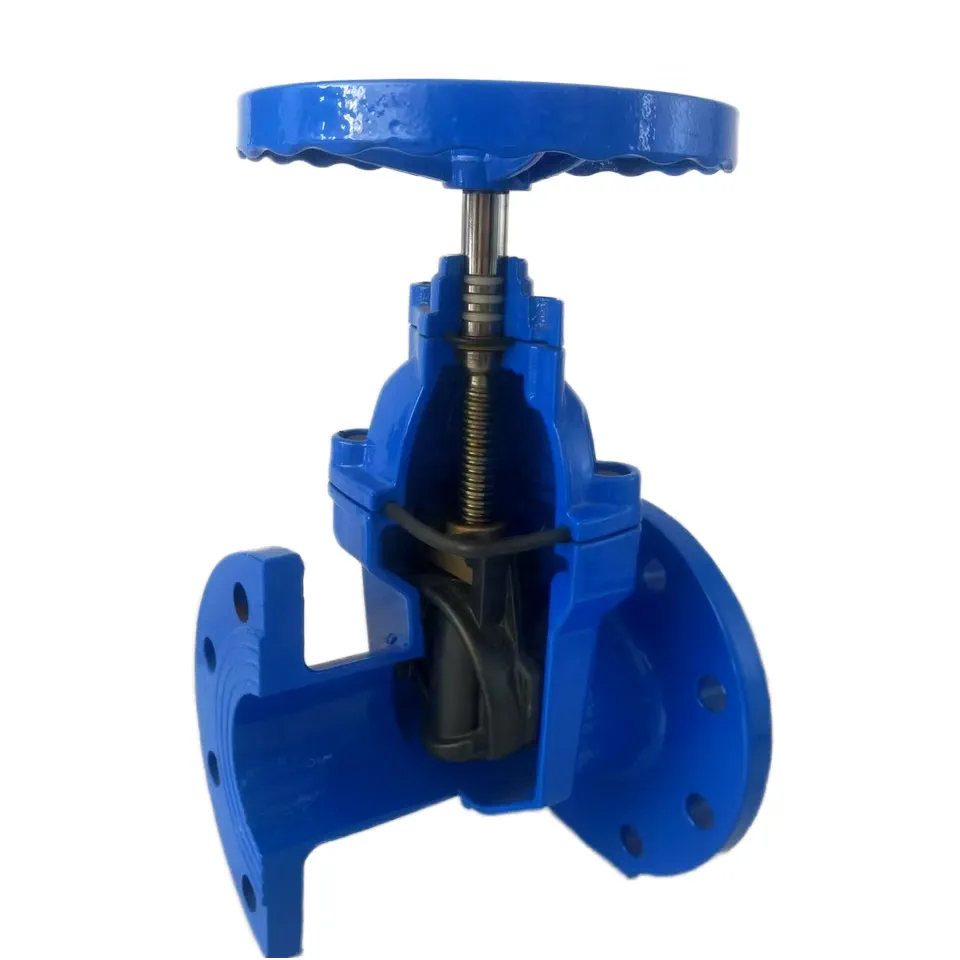
Resilient Seated Gate Valve (NRS)
S4 / S5 · DN40 – DN600 · BS5163 / EN 1074-2
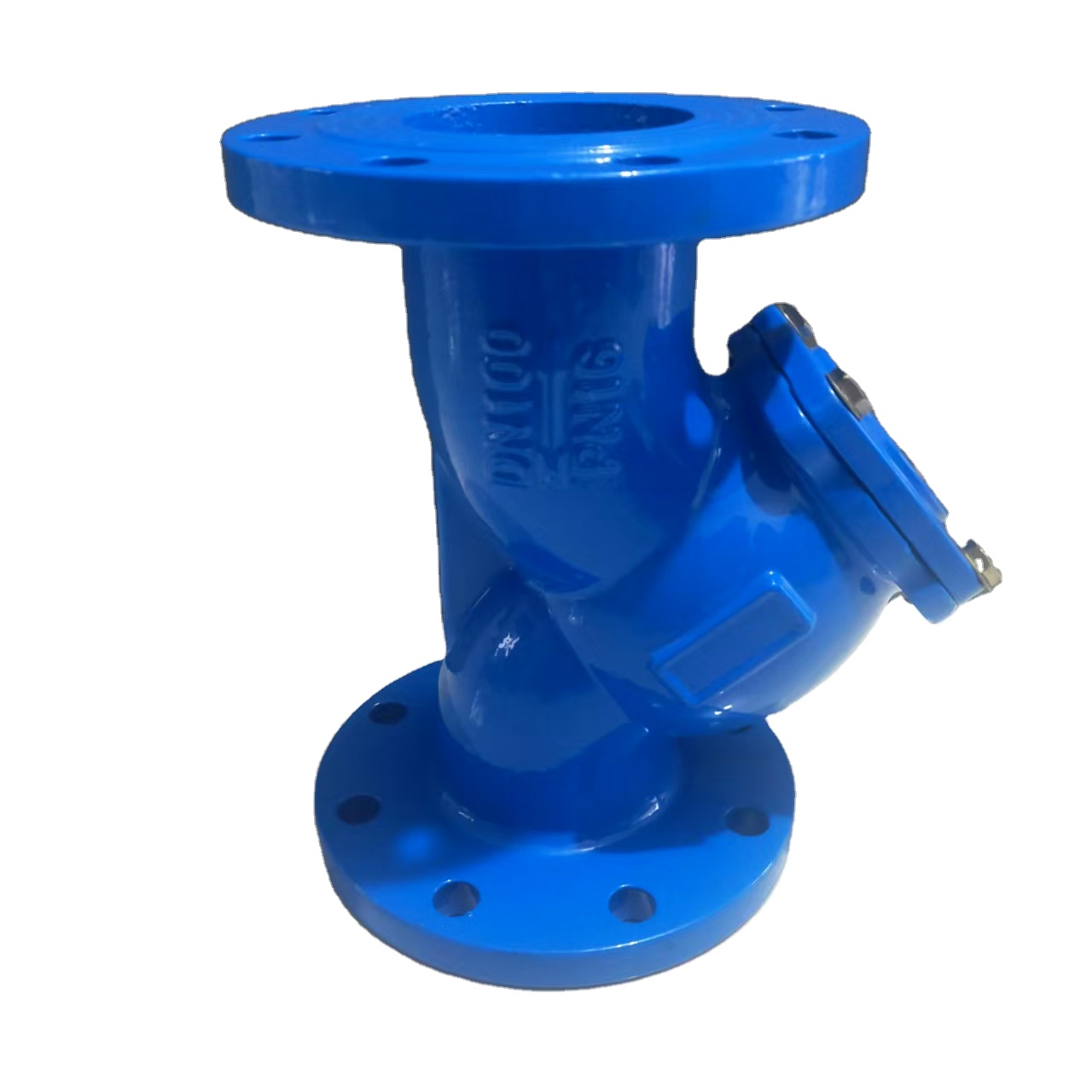
Y-Type Strainers
GL41H / DIN F1 · DN15 – DN400
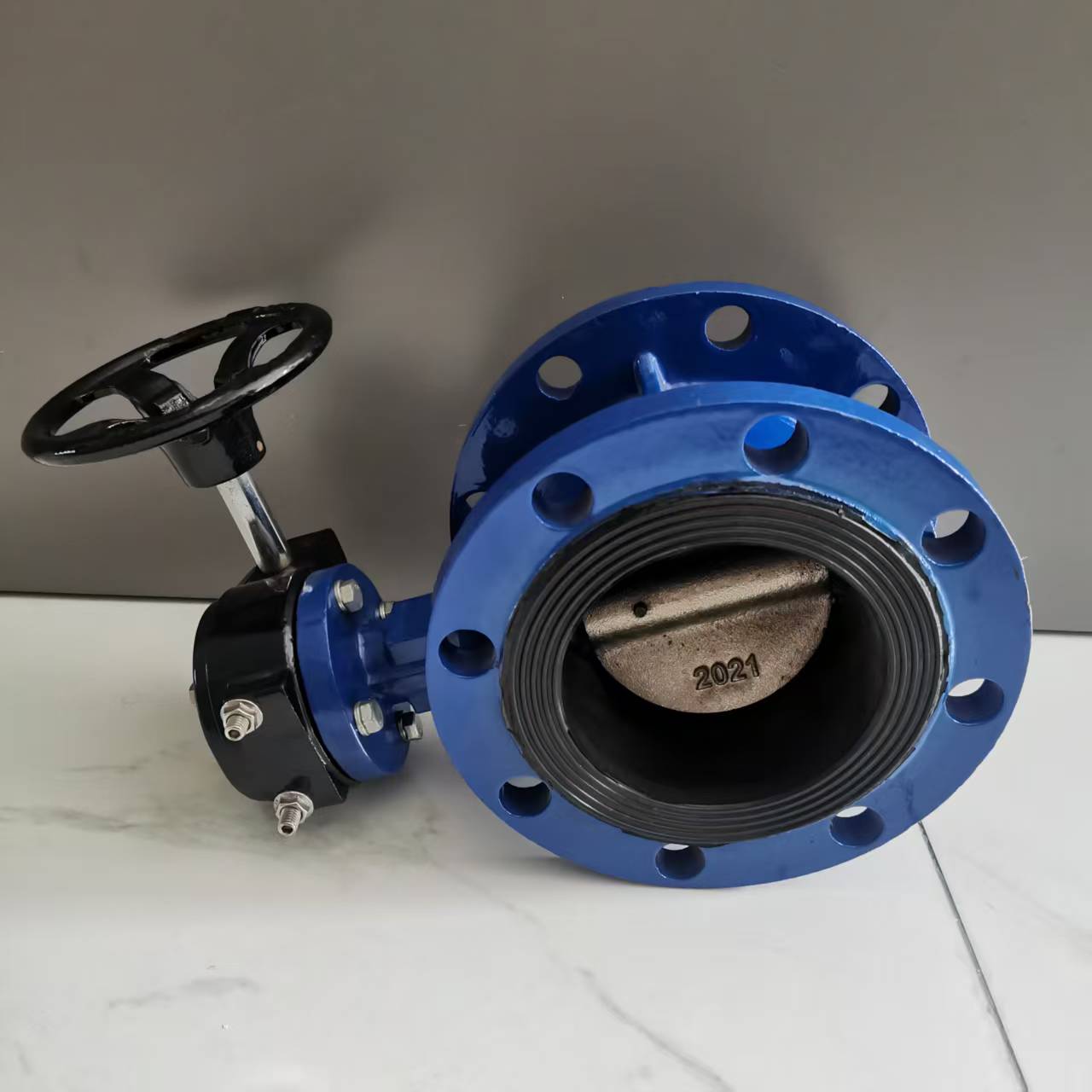
Flanged Butterfly Valve with Worm Gear (D341X)
D341X · DN100 (4") · Flanged, worm-gear operated
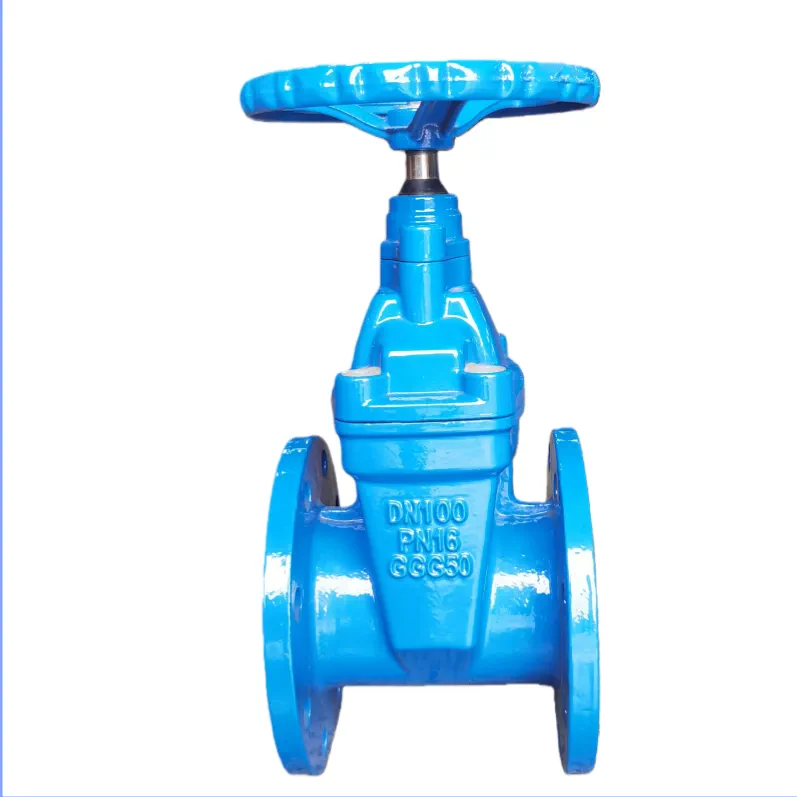
DIN F4 Resilient Gate Valve (NRS)
DIN 3352 F4 · DN50 – DN600 · PN10/16