Most "which valve" questions in water and industrial projects come down to one comparison: butterfly or gate. The two overlap in size ranges and both shut off flow, but they are engineered for different jobs — the gate valve is a full-bore isolator that blocks flow cleanly, the butterfly valve is a quarter-turn disc that trades a little pressure drop for a fraction of the weight, footprint and cost. Specifying the wrong one shows up later as maintenance headaches or money burned on oversized valves. This guide compares them dimension by dimension and tells you where each wins.
The Core Difference
A gate valve like a resilient seated NRS lifts a wedge completely out of the flow path: fully open, it is a straight pipe — no obstruction, minimal head loss, and the flow goes in either direction. That makes it the reference isolator for water mains and any line where pigs, swabs or solids must pass. The penalty is geometry: the body must house the raised wedge, so the valve is tall, heavy, and slow to operate — dozens of turns from open to shut.
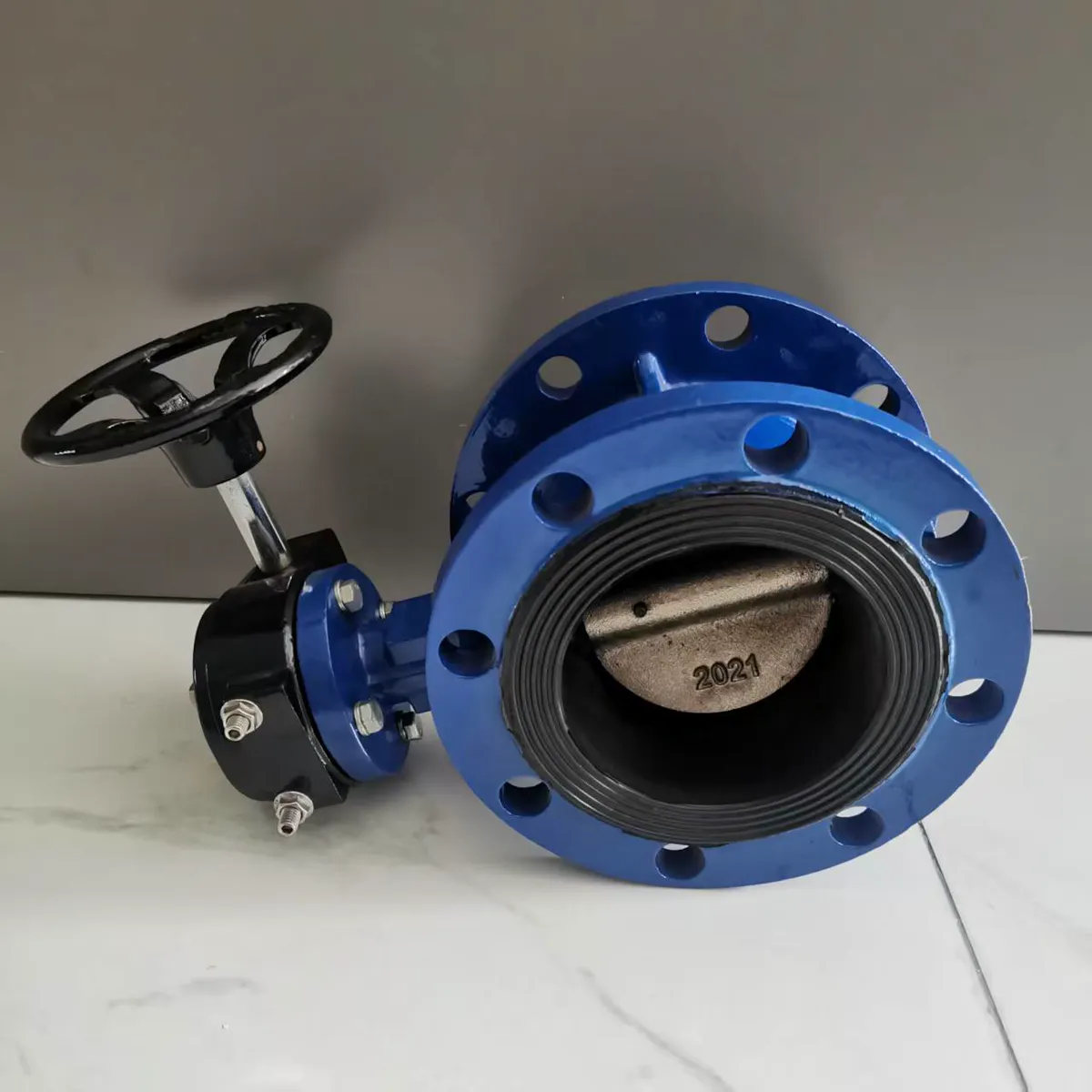
A butterfly valve like a flanged worm-gear D341X rotates a disc a quarter turn. Even fully open, the disc sits in the stream as a hydrofoil; you accept a small permanent pressure drop in exchange for a valve that is a quarter the height, a fraction of the weight, and operable in seconds by hand lever, gear or actuator. And because the disc can stop at any angle, the butterfly valve can throttle flow — something a gate valve must never be used for, because a part-open wedge vibrates, erodes its seat and can jam.
Everything else in the comparison — sealing class, pressure limits, cavitation behaviour, cost per size — follows from this one structural trade. If the duty is "shut it off completely, rarely, and forget it", the gate valve argument wins. If the duty is "operate often, throttle sometimes, in a tight space", the butterfly wins.
Pressure and Size Envelope
The practical overlap zone is DN50–DN600. Below DN50, gate valves dominate because a butterfly disc that small is mostly shaft; above DN1200, butterflies dominate because a gate valve that large becomes a crane-lift engineering project. In the middle, both are credible and the choice follows duty, not availability.
Pressure-wise, resilient-seated gate valves comfortably cover PN10–PN25 (and PN40 in metal-seated variants like a DIN F4 body) — the whole municipal and industrial water envelope. Butterfly valves match that at small sizes but their disc, shaft and seat design make PN16 the comfortable ceiling for general service; above PN25 you are into high-performance (double/triple offset) butterflies, which are a different price class. For pumped mains with water hammer, note that a closing gate wedge is forgiving while a slamming butterfly disc transmits the slam into the seat — pair throttling butterflies with adequate closing-time control and slam-proof check protection such as a silent check valve.
| Criterion | Gate valve | Butterfly valve |
|---|---|---|
| Full open pressure drop | Near zero (full bore) | Small permanent drop (disc in flow) |
| Sealing | Drip-tight resilient seat; bubble-tight needs metal seat + high class | Soft seat tight to zero leakage; metal-seat triple offset for severe duty |
| Throttling | Never — isolation only | Yes, 15–85° opening is usable range |
| Operation | Many turns, slow; multi-turn gear or actuator | Quarter turn, seconds; lever/gear/actuator |
| Height & weight (DN300) | Tall (wedge housing), ~2–4× heavier | Compact face-to-face, face-to-face short, light |
| Common pressure classes | PN10–PN40 | PN10–PN16 general; PN25+ high-performance types |
| Solids / pigging | Full bore passes pigs and solids | Disc blocks pigging; solids wear seat edge |
| Buried service | Standard (NRS + extension spindle) | Possible but less common; needs buried-rated gear |
Sealing Performance
Modern resilient gate valves vulcanise an EPDM seat onto the wedge, sealing drip-tight against the painted ductile-iron body — a well-made resilient gate valve holds seat tests at 1.1× rating without drama. The classic gate-valve weakness is not sealing but re-sealing after years in a dirty line: debris trapped in the seat path shows up as weep on the first re-close after a long idle period. In wastewater and gritty water, expect the first close after idle to need a second stroke.
Soft-seated butterflies seal an elastomer ring pressed by the disc edge: zero leakage in both directions on quality seats, and the wipe action of the rotating disc keeps the seat cleaner in gritty service — one reason butterflies are popular in wastewater and plant water. The failure mode is seat extrusion and disc-edge wear from throttling in abrasive slurry, where the disc edge becomes a wear part. For potable water both need drinking-water-grade EPDM; for hydrocarbon-bearing water both switch to NBR or metal seats.
If your specification demands bubble-tight isolation at high differential with abrasive media — slurries, desanding lines — you are describing neither a resilient gate nor a soft butterfly: you are describing a metal-seated gate or a triple-offset butterfly, and the price roughly doubles. Do not buy the wrong class and discover it in commissioning.
Weight, Footprint and Installed Cost
The economics swing hard with size. In DN100, a wafer butterfly with lever handle can cost half of a flanged resilient gate valve and installs between existing flanges in minutes. By DN600, the butterfly is a third the price, a quarter the weight and fits chambers a gate valve simply cannot — the savings extend to valves chambers, supports, lifting equipment and freight: butterflies ship many more units per container than gate valves of the same size.
But installed cost is not purchase price. A buried butterfly needs a buried-rated gearbox and possibly a valve box extension; large gear-operated butterflies need torque data reviewed against your closing time and differential; and if the line ever needs pigging, the butterfly you saved money on has to be replaced with a full-bore valve. On the other side, gate-valve installations pay in civil works: bigger chambers, more support, multi-turn actuators if automated.
The pragmatic pattern in Saudi municipal work: gate valves on transmission and distribution mains where isolation integrity and pigging matter; butterflies inside pumping stations, treatment plants, HVAC and fire loops where space and speed of operation matter. A station drawing often shows both — OS&Y gate valves on pump suction and discharge isolations, gear butterflies on header balancing, a strainer upstream of each pump train.
| Size | Typical cost ratio (butterfly : gate) | Practical preference |
|---|---|---|
| DN50–DN150 | ≈ 0.5–0.7 | Either; butterflies win on speed and space, gates on main-line isolation |
| DN200–DN400 | ≈ 0.3–0.5 | Butterflies for plant/loop duty; gates for buried mains |
| DN500–DN1200 | ≈ 0.25–0.4 | Butterflies usually, unless pigging/full-bore is specified |
| > DN1200 | butterfly effectively only | Butterfly or plug; gate becomes special engineering |
Where Each Valve Wins in Real Projects
Gate valves win: buried distribution mains (NRS with extension spindles and valve boxes — the AWWA-style buried pattern is designed exactly for this); lines that must pass pigs or swabs; low-head-loss gravity mains where even a disc obstruction is unwelcome; and any spec written around multi-turn isolation with visible position, which is exactly the OS&Y pattern in above-ground vaults.
Butterflies win: pump-station headers and plant piping where you valve every train and space is money; throttling and balancing duty (plant water, HVAC, irrigation zones); DN600+ isolation where gate weight is prohibitive; and maintenance-friendly station design, because a butterfly closes in seconds — an operator isolating a train during an upset does not crank 80 wheel turns.
Mixed signals to resolve before ordering: if the spec sheet says "isolation valve, buried, PN16, pig passage required" — that is a gate valve, full stop. If it says "modulating, DN450, chamber 2 m wide" — that is a butterfly. The expensive mistakes happen when a tender copies a gate-valve clause into a plant station drawing or vice versa and nobody reads the duty words, only the size and class.
Selection Checklist
Run your next valve schedule through these seven questions — they settle the choice in the order consultants actually think.
- Does the line ever need pigging, swabbing or full-bore passage? → gate valve
- Is the valve used for throttling or balancing? → butterfly (never throttle a gate valve)
- Buried in a road reserve with a surface box? → NRS gate with extension spindle
- How often does it operate? Frequent operation favours quarter-turn butterflies
- Is chamber space or valve weight the binding constraint? → butterfly
- Pressure above PN16 with general-service seat? → gate, or move to high-performance butterfly class
- Drinking water? Both work — specify WRAS/NSF-type EPDM and the SABER certificate chain
Frequently Asked Questions
Related Products
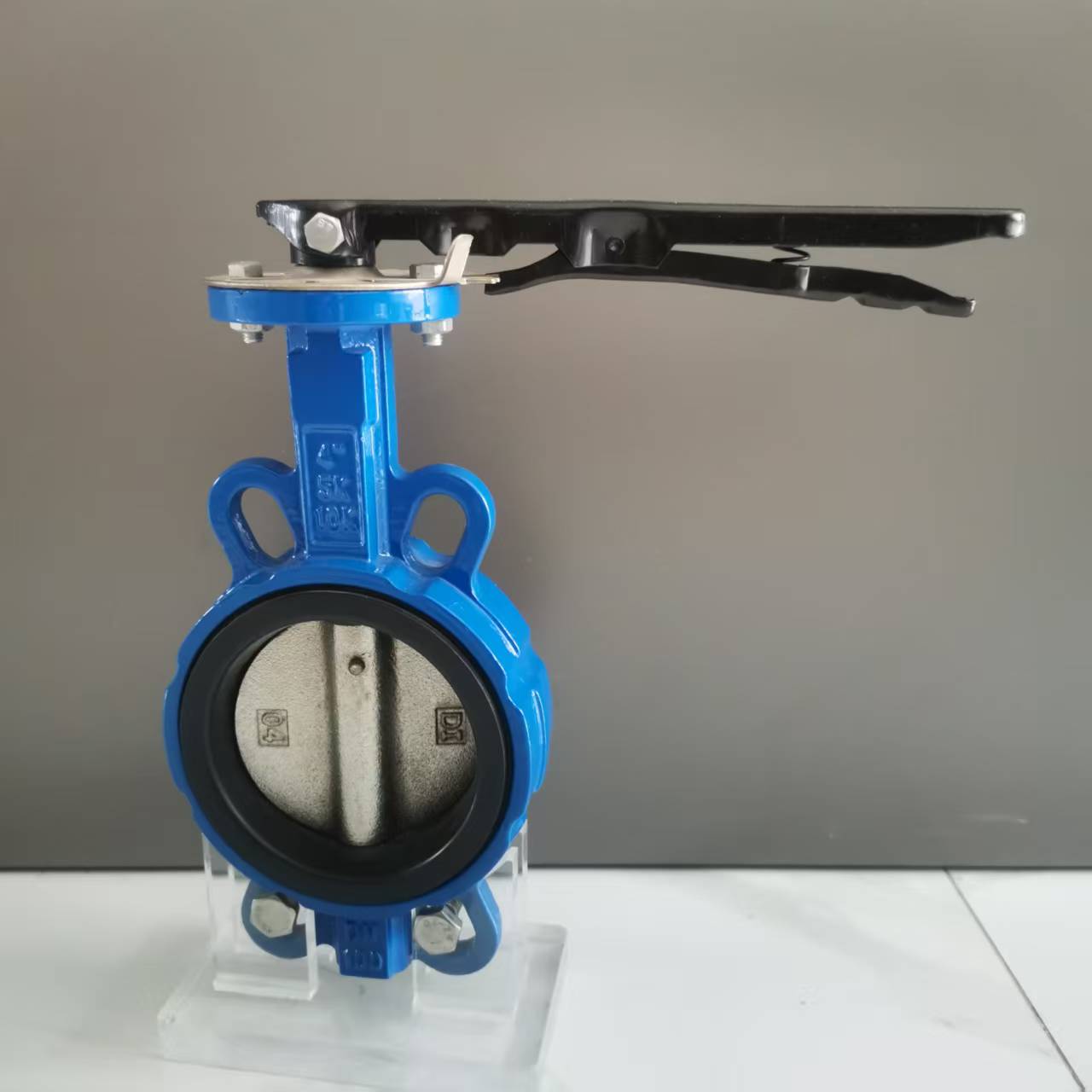
Wafer Butterfly Valve with Lever Handle (D71X)
D71X · DN100 (4") · PN10 / PN16
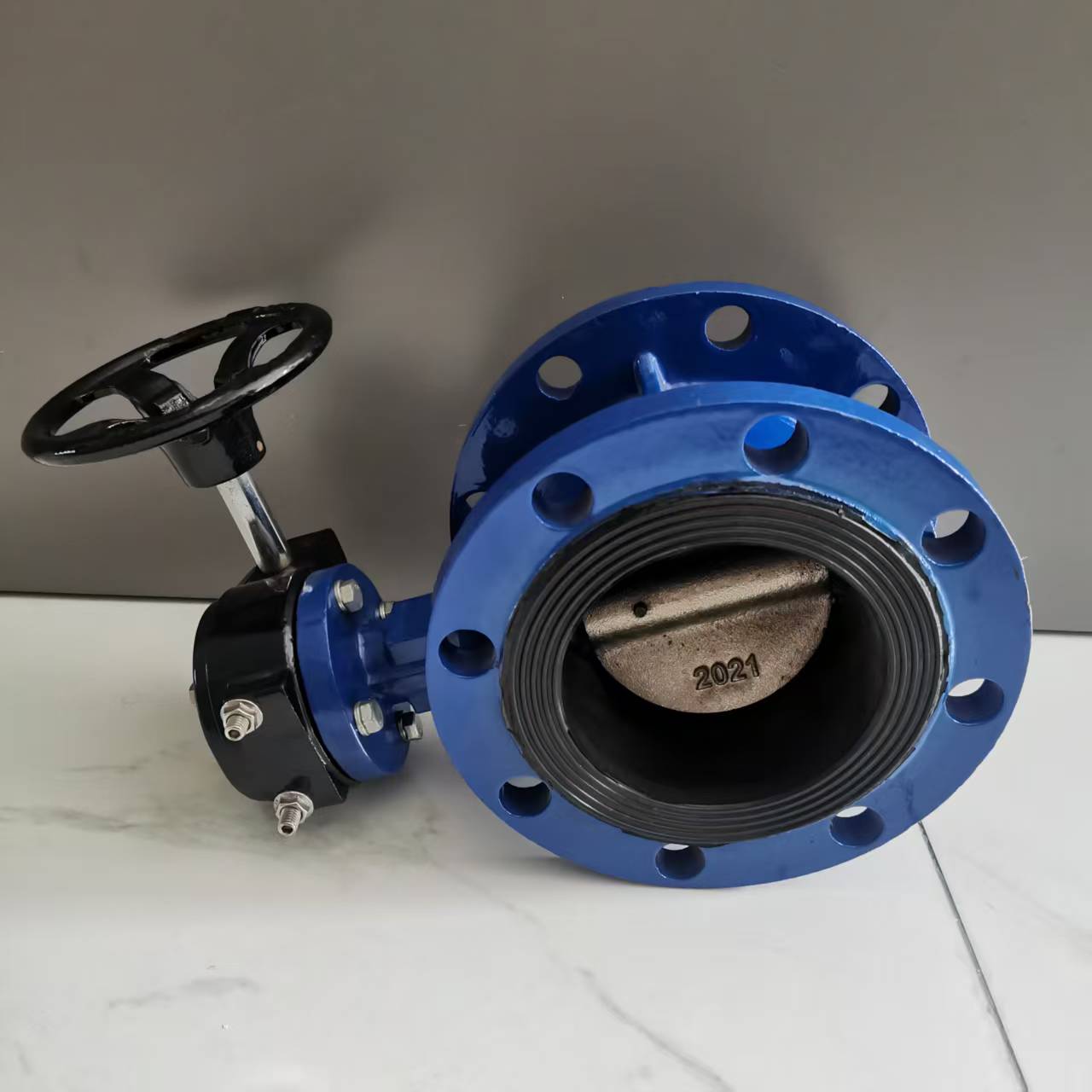
Flanged Butterfly Valve with Worm Gear (D341X)
D341X · DN100 (4") · Flanged, worm-gear operated
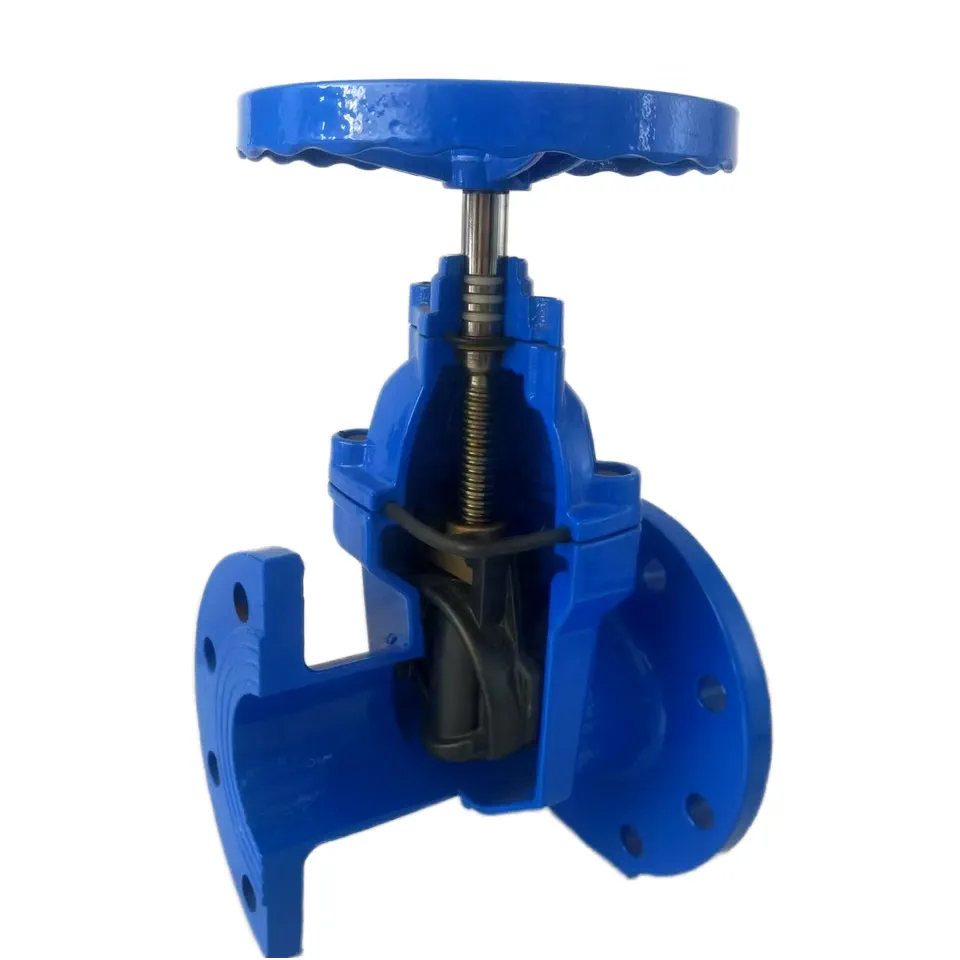
Resilient Seated Gate Valve (NRS)
S4 / S5 · DN40 – DN600 · BS5163 / EN 1074-2
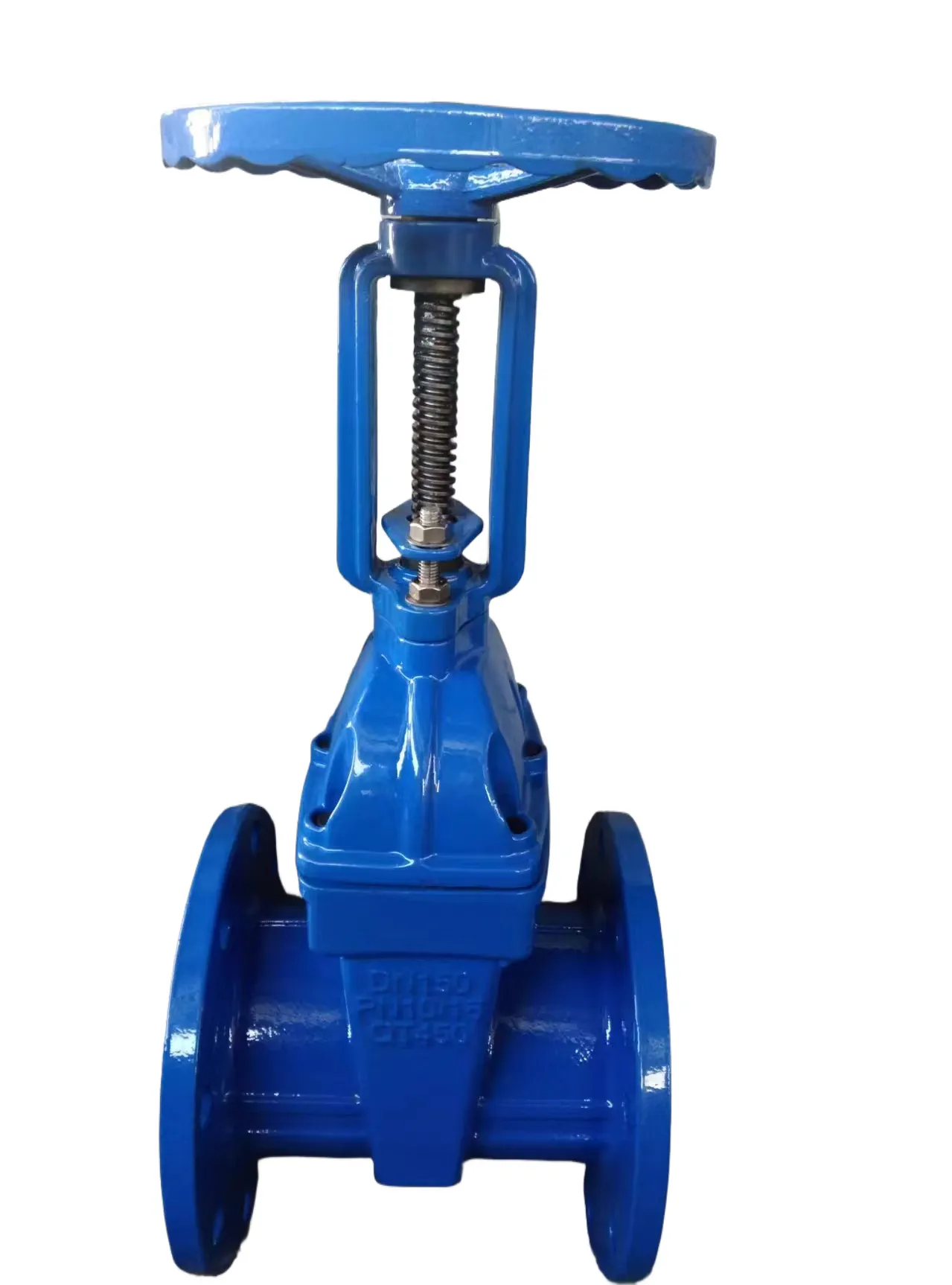
OS&Y Resilient Seated Gate Valve
OS&Y · DN40 – DN600 · GB / BS5163 / DIN F4 / AWWA
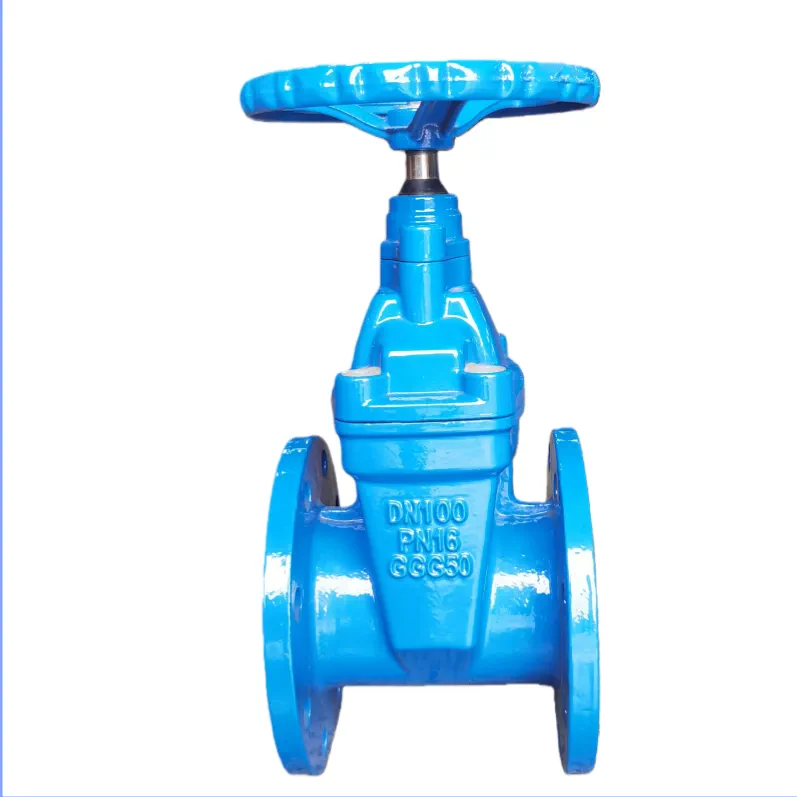
DIN F4 Resilient Gate Valve (NRS)
DIN 3352 F4 · DN50 – DN600 · PN10/16
AWWA Resilient Gate Valve (NRS)
AWWA C509 / C515 · DN40 – DN600